
Thailand in summer surprises many travelers. June, July and August are the green season across much of the country, yet this is also when one whole coast stays mostly dry and sunny. Picking the best destinations to visit in Thailand for the summer is really about picking the right coast at the right time.
The Andaman side, home to Phuket and Krabi, gets the southwest monsoon in summer. Rain there can be heavy, and boat trips are often cancelled. The Gulf of Thailand, on the other side of the country, follows a different pattern. Its islands, Koh Samui, Koh Phangan and Koh Tao, usually see their driest months of the year in June, July and August.
Cities and the north play by their own rules too. Bangkok works in any month if you plan around short afternoon showers. Chiang Mai turns green and quiet, with waterfalls at full flow and far fewer visitors than in winter.
In this guide you will find the summer-friendly islands first, then Bangkok, the north, and an honest look at Phuket and Krabi. You also get simple ways to plan around the rain and booking tips that make a summer trip cheaper and calmer.
Contents
- 1. Why Summer in Thailand Can Still Work
- 2. The Gulf Islands: Koh Samui, Koh Phangan and Koh Tao
- 3. Bangkok in Summer: Temples, Malls and Short Showers
- 4. Chiang Mai and the North: Green Hills, Fewer Crowds
- 5. Phuket and Krabi: The Honest Summer Picture
- 6. How to Plan Around the Rain
- 7. Booking Tips for a Summer Thailand Trip
- Frequently Asked Questions
- Final Thoughts
1. Why Summer in Thailand Can Still Work
Two Coasts, Two Different Summers
Thailand has two coastlines, and they do not share the same weather. The southwest monsoon soaks the Andaman coast from May to October. The Gulf coast stays sheltered during those same months, so its rainy season comes later in the year, mainly from October to December.
That split is the whole secret of a Thailand summer trip. Aim at the Gulf in June, July and August, and you often get the beach holiday people think is impossible in the rainy season.
Summer Rain Is Usually a Shower, Not a Washout
Outside the Andaman coast, summer rain in Thailand tends to fall in short, heavy bursts, often in the late afternoon or evening. Mornings are frequently clear and bright. A shower cools the air, settles the dust, and moves on within an hour or two.
That rhythm is easy to plan around once you accept it. Sightsee in the morning, rest or find a cafe during the wettest hour, and go out again in the evening.
Fewer Crowds and Lower Prices
Summer is low season in most of Thailand. Hotels that fill up fast in December and January sit half empty in July, and rates drop with them. Popular sights feel calmer, restaurants need no booking, and island ferries are easier to board.
The trade is simple and fair. You accept some rain and humidity, and in return you get space, savings, and a greener, fresher-looking country.

2. The Gulf Islands: Koh Samui, Koh Phangan and Koh Tao
If beach weather is your priority, these three islands are the best destinations to visit in Thailand for the summer. They sit close together, share the Gulf’s dry summer pattern, and suit very different styles of trip.
Koh Samui: The Easy Summer Base
Koh Samui is the most developed of the three Gulf islands and the easiest summer base. It has its own airport, big beaches like Chaweng and Lamai, quieter corners at Maenam and Bophut, and enough restaurants and spas to fill a rainy hour without stress.
June, July and August are among its driest months, so beach days are realistic, not a gamble. Families like Samui because everything is close, and the island works well as the base for day trips to its two neighbors.
Koh Phangan: More Than a Party Island
Koh Phangan is famous for its Full Moon Party at Haad Rin, but most of the island is calm. The north and west coasts hold small bays, yoga schools, and quiet beaches like Haad Salad and Mae Haad, where days move slowly and sunsets are the main event.
In summer the sea here is usually gentle, and the island feels relaxed between party dates. If nightlife is not your thing, pick a bay away from Haad Rin and you may never hear the party at all.
Koh Tao: Diving and Snorkeling in Calm Seas
Tiny Koh Tao is the Gulf’s snorkeling and diving island. Summer brings some of its clearest, calmest water of the year, with dive boats reaching sites around the island and trips out to the famous Nang Yuan sandbar viewpoint.
First-time divers like Tao because courses are plentiful and the water is kind in summer. Even without diving, the bays on the east coast are lovely for a slow swim and a long lunch.
3. Bangkok in Summer: Temples, Malls and Short Showers
Temples in the Morning, Shade by Noon
Bangkok is hot and humid in summer, and rain usually arrives in the afternoon. Start early at the Grand Palace, Wat Pho, and Wat Arun, when the air is cooler and the crowds are thinner. By the time the heavy clouds build, your main sightseeing is done.
River boats are a smart way to move in this season. The Chao Phraya breeze helps, and you skip the traffic jams that form when rain hits the roads.
Malls, Museums and Indoor Plans
No city does indoor backup plans like Bangkok. Huge malls around Siam and Sukhumvit hold food courts, cinemas, aquariums, and bookshops, all linked by the Skytrain. A wet afternoon here is not a lost afternoon.
Choosing where to sleep matters as much as the sights. Our guide to the best hotel area in Bangkok compares Riverside, Sukhumvit, Siam and the Old Town, so you can base yourself near a BTS station and keep rainy-day travel short.

Evenings After the Rain
Summer rain often clears by evening, and the city feels washed and cooler. Night markets, riverside dinners, and rooftop bars all work well after a shower. Street food stalls fire up again quickly, and the air smells clean for an hour or two.
If you are flying in from Bangladesh, our page on Dhaka to Bangkok flight ticket and hotel booking covers pairing the flight with your first nights in the capital.
4. Chiang Mai and the North: Green Hills, Fewer Crowds
A Greener, Quieter Chiang Mai
Summer rain turns the north of Thailand deep green. Rice fields fill with water, the hills around Chiang Mai look fresh, and the city runs at a slower pace than in the busy winter months. Hotel rates drop, and the old town’s temples and cafes feel local again.
Doi Suthep, the mountain temple above the city, is at its best after rain, when the air clears and the view over Chiang Mai opens up. Go early in the day for the best chance of that view.
Waterfalls at Full Flow
The rainy months are waterfall season. Falls in Doi Inthanon National Park and around Mae Rim run strong and full in summer, a sight you simply do not get in the dry months. The park’s high trails also offer the coolest air in the region.
Take care on wet paths and follow local advice after heavy rain. Rivers can rise fast, and some trails close for a day or two in the wettest spells.
Pai and the Mountain Roads
The small town of Pai, a few hours north of Chiang Mai, suits a slow summer stop: hot springs, rice fields, and quiet guesthouses. The mountain road there has hundreds of bends, and it is slippery in wet weather, so travel in daylight and avoid riding a motorbike in the rain unless you are experienced.
5. Phuket and Krabi: The Honest Summer Picture
What the Monsoon Really Means Here
Let us be straight about the Andaman coast. In summer, Phuket and Krabi sit in the southwest monsoon. Expect regular heavy rain, rough seas, red flags on many beaches, and boat trips that get cancelled at short notice. Swimming is unsafe on exposed west-facing beaches for much of the season.
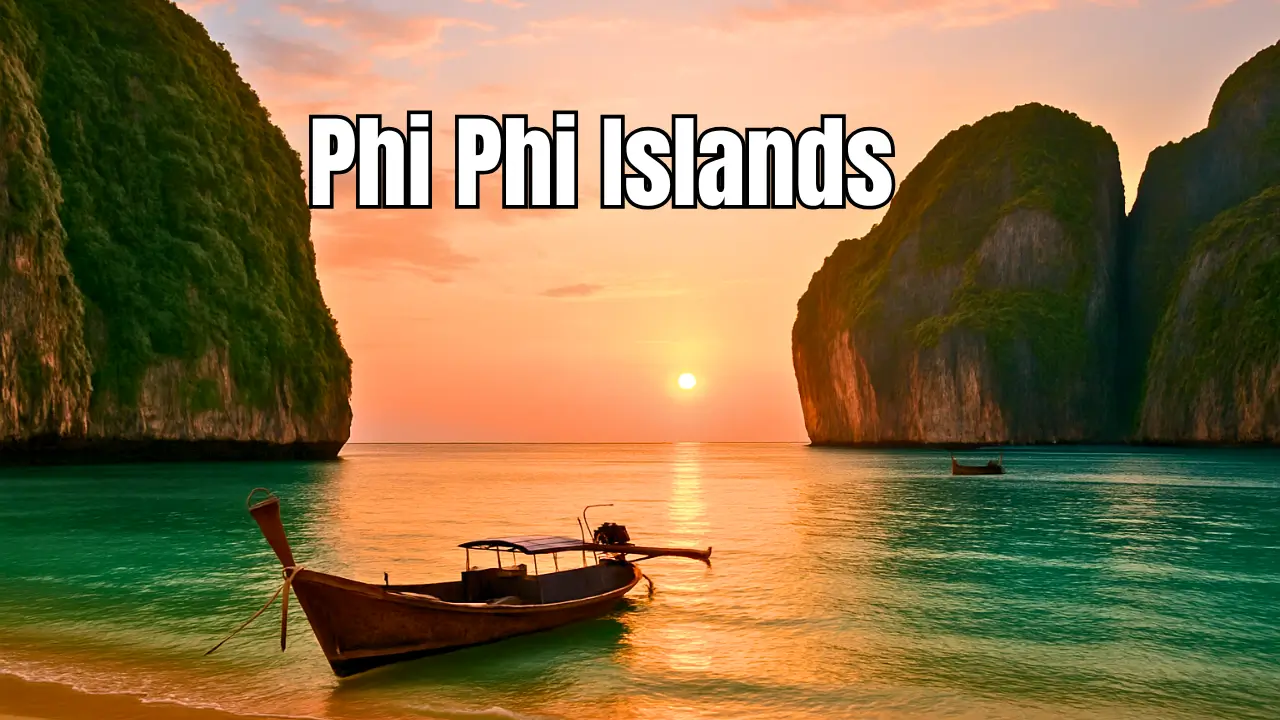
The Phi Phi Islands and other offshore trips from this coast are the first plans to fall when the weather turns. If island-hopping is the heart of your trip, the Gulf islands above are the safer summer choice.
Why Some Travelers Still Go
There are fair reasons to choose this coast in summer. Hotel prices fall hard, sometimes to half of high-season rates, and the famous beaches empty out. Phuket Town’s old streets, big temples, spas, and cooking classes do not depend on the sea at all.
Calm mornings do happen, even in the monsoon. Flexible travelers who stay a week often get a few fine days mixed in with the wet ones, and they enjoy the quiet while it lasts.
How to Do It Safely
If you go, build the trip around land plans and treat beach days as a bonus. Book a hotel with a good pool and spa, keep boat trips refundable, and never swim where red flags fly. Watch the local weather forecast each morning and move plans around it.
6. How to Plan Around the Rain
Use the Daily Rhythm
Summer weather in Thailand follows a pattern: bright mornings, building clouds, a heavy shower in the afternoon or early evening, then a clearer night. Plan outdoor sights before lunch, keep afternoons loose, and save markets and dinners for the evening.
On the Gulf islands the pattern is milder still. Many summer days there pass with no rain at all, just heat and a warm sea.
Pack Light, Pack Smart
A small umbrella or a light rain jacket earns its space in summer. Quick-dry clothes and sandals that can get wet beat heavy shoes and jeans. A dry bag for your phone and camera is a cheap, smart buy before any boat trip.
Heat matters as much as rain. Carry water, take shade breaks, and do not try to fill every hour. A slower plan is a better plan in this season.
Keep One Flexible Day
Leave one day in each place with no fixed booking. If rain closes a boat trip or a viewpoint, that spare day absorbs the change. Summer trips go wrong when every day is locked in advance, and they go well when the plan can bend.
7. Booking Tips for a Summer Thailand Trip
Book the Gulf Early, Stay Flexible Elsewhere
Word is out about the Gulf islands’ summer weather, and good rooms on Koh Samui and Koh Phangan sell earlier than they used to. Book those stays first. In Bangkok, Chiang Mai, and on the Andaman coast, low-season supply is deep, so flexible rates with free cancellation are easy to find and worth taking.
You can check flights and hotels for this trip in one search, then compare the total price with the hotel’s own site before you pay.
Watch the Ferry and Flight Links
Island trips involve links: a flight to Koh Samui or Surat Thani, then a ferry or a bus and boat combo. Leave generous gaps between connections in summer, because rain can slow roads and boats. An overnight stop on the mainland is a calm fix for a tight link.
Choose Rooms With a Wet-Day Plan
In this season, a hotel with a pool, a spa, and a decent restaurant is worth a little extra. On a wet day, those facilities turn a washout into a rest day. Balconies with a roof overhang also help: you can sit outside and watch the rain without joining it.
Frequently Asked Questions
Is Thailand worth visiting in the summer?
Yes, if you pick the right areas. The Gulf islands are in their dry season, Bangkok works with morning sightseeing, and the north is green and quiet. Only the Andaman coast is a real gamble in June, July and August.
Which Thai islands are best in summer?
Koh Samui, Koh Phangan and Koh Tao are the best destinations to visit in Thailand for the summer if you want beach weather. They sit in the Gulf of Thailand, which stays much drier than the Andaman coast during these months.
Does it rain all day in Thailand in summer?
Rarely. Outside the Andaman coast, summer rain usually falls in short, heavy showers, often in the late afternoon. Mornings are commonly clear, so a full day of sightseeing or beach time is normal.
Is Phuket a bad idea in July?
It is a risk, not a mistake. Expect rough seas, red flags on beaches, and cancelled boat trips, but also low prices and empty sights. Go for the town, food and spas, and treat any calm beach day as a bonus.
When should I book a summer Thailand trip?
Book Gulf island hotels a few months ahead, because their summer season is popular. For Bangkok, Chiang Mai and the Andaman coast, a few weeks ahead is usually fine, and free cancellation rates are common in low season.
Final Thoughts
Summer does not close Thailand. It simply moves the good weather to the Gulf, greens up the north, and empties the cities. Travelers who understand that map often rate June to August among the best destinations to visit in Thailand for the summer value alone: dry islands, low prices, and room to breathe at famous sights.
Before you lock your dates, search summer flights and stays for the Gulf islands first, then build the rest of the trip around them.
- Pick the Gulf islands for beach weather in June, July and August.
- Do Bangkok sights in the morning and keep afternoons flexible.
- Visit Chiang Mai for green hills, full waterfalls and low rates.
- Treat Phuket and Krabi as a price play, not a beach promise.
- Pack a rain jacket, quick-dry clothes and a dry bag for boats.
- Leave one unplanned day in each place for weather changes.
- Book Gulf island rooms early and keep other rates refundable.