
Ask most travelers to name the best destinations to visit in Iceland (Vik) for the summer, and they picture the same small village: a red roofed church on a hill, black sand stretching in both directions, and green cliffs full of puffins. Vik i Myrdal, usually shortened to Vik, sits on Iceland’s South Coast, about 180 kilometers from Reykjavik, and it is the last real village before the road runs east into empty glacier country.
Summer is when this corner of Iceland earns its reputation. The sun barely sets in June and July, waterfalls run at full strength on glacier melt, puffins crowd the sea cliffs, and glacier tours open up after the long winter. Stay in Vik and nearly all of it sits within a short drive.
This guide treats Vik as your base and walks through the sights around it: the black beach, the puffin headland, the two great waterfalls, a famous plane wreck, a glacier you can walk on, a mossy canyon, and a glacier lagoon that makes a long but unforgettable day trip. You also get honest safety notes and booking tips at the end.
Contents
- 1. Why Vik Is the Smart Summer Base on the South Coast
- 2. Reynisfjara: The Black Sand Beach You Must Respect
- 3. Dyrholaey: Puffins, Sea Arches and Wide Views
- 4. Skogafoss and Seljalandsfoss: Two Waterfalls You Cannot Skip
- 5. The Solheimasandur Plane Wreck and a Glacier You Can Walk On
- 6. Fjadrargljufur Canyon and the Long Drive to Jokulsarlon
- 7. The Westman Islands: A Ferry Trip Worth Adding
- 8. Practical Tips for a Summer Trip Based in Vik
- Frequently Asked Questions
- Final Thoughts
1. Why Vik Is the Smart Summer Base on the South Coast
One Village, a Dozen Famous Sights
Vik is small, with only a few hundred residents, but its position on the Ring Road is perfect. Reynisfjara beach is ten minutes west, Skogafoss is half an hour west, and the glacier lagoon is about two and a half hours east. Instead of changing hotels every night, you sleep in one place and explore in loops.
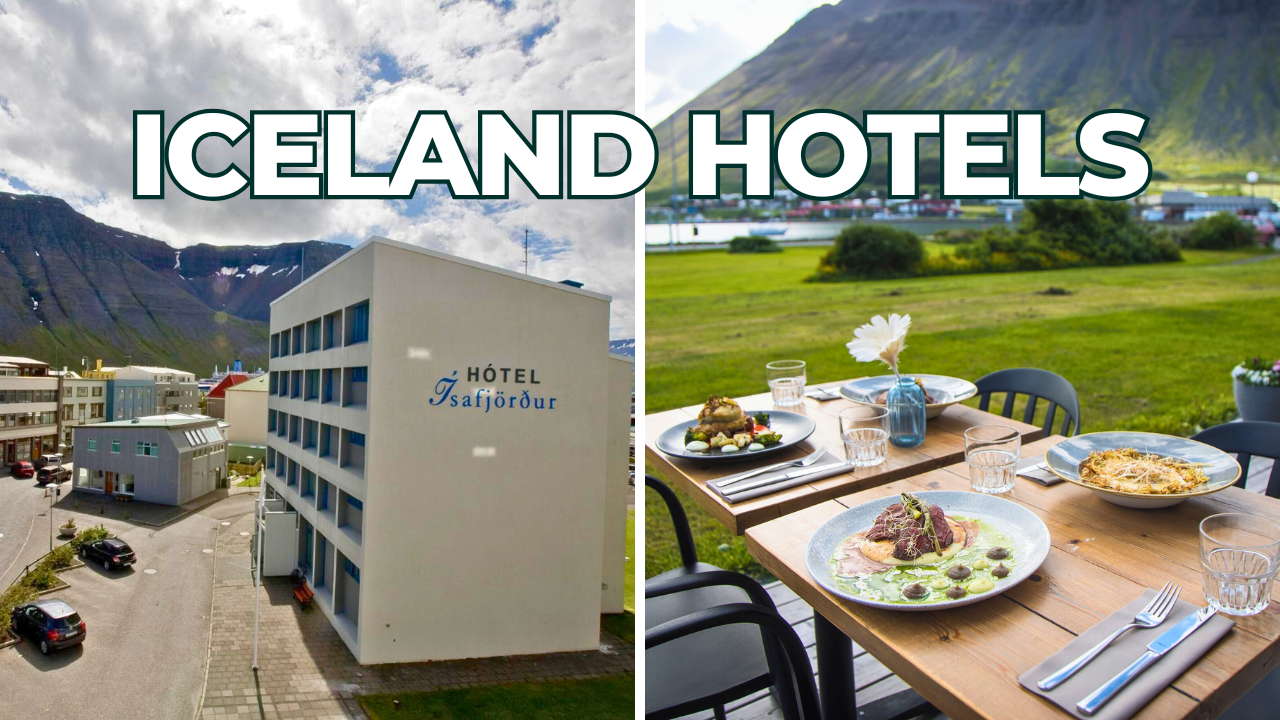
The village itself has what a road trip base needs: hotels and guesthouses, restaurants, a grocery store and a gas station. Our Iceland hotels guide covers where to stay across the country if you are building a longer route.
Summer Light Changes Everything
Around the summer solstice, Vik gets close to 24 hours of daylight. The sun dips toward the horizon late at night and rises again without the sky ever going fully dark. That light is a real travel tool: you can visit a famous waterfall at 9 in the evening, find it almost empty, and drive back in daylight.
Summer is also puffin season. From about May to August, Atlantic puffins nest in burrows on the cliffs around Vik, and the long evenings are the best time to watch them return from the sea.

2. Reynisfjara: The Black Sand Beach You Must Respect
What Makes This Beach So Famous
Reynisfjara is the black sand beach on almost every Iceland poster. Volcanic sand stretches along the shore, tall basalt columns rise at one end like the pipes of a giant organ, and sea stacks called Reynisdrangar stand out in the surf. Local legend says the stacks are trolls turned to stone by the sunrise. The beach sits just west of Vik, a ten minute drive from the Ring Road, with parking and a small cafe by the entrance.
The Safety Warning You Must Take Seriously
Reynisfjara is beautiful and genuinely dangerous. So called sneaker waves arrive without warning, much larger than the waves before them, and they can rush far up the beach and pull people into very cold, powerful water. Visitors have died here.
The rules are simple. Never turn your back on the ocean. Stay well back from the waterline, much further than feels necessary, and keep children close. Obey the warning signs and the colored warning light system at the entrance, and never climb on the basalt columns when waves are reaching them. Enjoy the beach from a safe distance and it will still be one of the best destinations to visit in Iceland (Vik) for the summer.
3. Dyrholaey: Puffins, Sea Arches and Wide Views
The Headland and Its Stone Arch
Dyrholaey is the headland just west of Reynisfjara, named for the huge natural arch carved through it by the sea. From the upper parking area near the lighthouse, views run along black beaches in both directions and out to the Westman Islands on a clear day.
Where the Puffins Are
In summer, puffins nest on the grassy cliff tops of Dyrholaey, sometimes just a few meters from the viewing paths. Come in the morning or, better, in the late evening light, when the birds fly in for the night. Keep to the marked paths and ropes: the burrows are fragile, and the birds come first.
Bring binoculars if you have them, and a layer for the wind. Even in July, the top of Dyrholaey can feel like a different season.
4. Skogafoss and Seljalandsfoss: Two Waterfalls You Cannot Skip
Skogafoss, the Wide White Curtain
About 30 minutes west of Vik, the Skoga River drops 60 meters over an old sea cliff at Skogafoss. The fall is so wide and the spray so heavy that a rainbow often hangs in front of it on sunny days.
You can walk right up to the base across the flat gravel plain, though you will get wet from the spray. A long staircase climbs beside the fall to a viewing platform at the top, and the path continues along the river toward a string of smaller falls.

Seljalandsfoss, the One You Walk Behind
Another 30 minutes west, Seljalandsfoss offers something few waterfalls anywhere allow: a path that loops behind the falling water. The trail is slippery and you will get sprayed, but standing behind the curtain of water as the sun drops low is one of the classic summer moments here.
Walk a few minutes further along the cliff to Gljufrabui, a second fall hidden inside a narrow crack in the rock, reached by a short scramble through the stream.
How to Time the Waterfalls
Both falls sit right beside the Ring Road and both get busy with tour buses in the middle of the day. In summer, use the long daylight: visit early or after dinner, when the crowds thin and the light is softer for photos. Together, these two falls are reason enough to call this coast one of the best destinations to visit in Iceland (Vik) for the summer.
5. The Solheimasandur Plane Wreck and a Glacier You Can Walk On
The Plane Wreck on the Black Plain
Between Vik and Skogafoss, a flat black sand plain holds one of Iceland’s strangest sights: the white wreck of a US Navy plane that crash landed in 1973. Everyone on board survived, and the abandoned fuselage has sat on the sand ever since.
The wreck is about a 45 minute walk each way from the parking area on the Ring Road, across flat, exposed ground. A shuttle bus runs the route in high season. There is no shelter on the plain, so check the wind and rain before you set out, and do not climb on the wreck.
Myrdalsjokull Glacier and the Katla Volcano
The glacier you see from Vik is Myrdalsjokull, Iceland’s fourth largest ice cap. Underneath it sleeps Katla, one of the country’s most powerful volcanoes, which is why this coast exists: past eruptions built the black plains and cliffs you have been driving past.
Guided glacier walks run on Solheimajokull, an outlet glacier of Myrdalsjokull about 25 minutes from Vik. Tour companies supply crampons, helmets and ice axes, and guides lead small groups onto the ice for a few hours. It is one of the most memorable summer activities in the area, but never step onto a glacier without a guide: the ice hides deep cracks that even experienced hikers cannot read safely.
6. Fjadrargljufur Canyon and the Long Drive to Jokulsarlon
A Canyon Out of a Storybook
About 45 minutes east of Vik, near the village of Kirkjubaejarklaustur, the Fjadra River has cut a winding canyon through soft rock. Fjadrargljufur is roughly 100 meters deep and two kilometers long, with moss covered walls and viewpoints along a walking path above the rim.
The canyon grew famous very fast after appearing in a music video, and visitor numbers jumped. Stay on the marked paths and respect any closures: the moss recovers slowly, and the viewpoints give you the full picture anyway.
Jokulsarlon Glacier Lagoon as a Day Trip
Push further east, about two and a half hours from Vik, and you reach Jokulsarlon, where the Breidamerkurjokull glacier calves icebergs into a deep lagoon. The bergs drift slowly toward the sea, and some wash up on the black beach across the road, glittering like cut glass. Locals call it Diamond Beach.
Boat trips run on the lagoon in summer, and seals often swim between the icebergs. As a day trip from Vik it means roughly five hours of driving in total, so start early and treat it as the big day of your stay. If your route continues east anyway, sleep near the lagoon instead and save the double drive.
7. The Westman Islands: A Ferry Trip Worth Adding
Getting There From the Mainland
The Westman Islands sit just off the South Coast, visible from Vik on a clear day. The ferry leaves from Landeyjahofn harbor, about 45 minutes west of Vik, and the crossing takes 40 minutes. You can take your rental car on board, or walk on and explore the main island, Heimaey, on foot.
What to See on Heimaey
Heimaey is famous for two things: puffins and a volcano. The island hosts one of the largest puffin colonies in Iceland each summer, and a lookout near the harbor lets you watch the birds at close range. In 1973, the Eldfell volcano erupted right beside the town and buried hundreds of houses; a museum now tells the story, and one excavated house stands preserved under the ash.
One relaxed day is enough for the highlights. Book the ferry ahead in summer, since car spaces sell out, and keep an eye on the forecast, because crossings can be cancelled in heavy seas.
8. Practical Tips for a Summer Trip Based in Vik
Book Vik Early, Because It Fills Up
Vik is small and the South Coast is popular, so hotels and guesthouses in the village often sell out for June, July and August. Book your room as early as you can, and if Vik itself is full, look at farm stays and guesthouses along the Ring Road nearby. When you are ready to compare options and check flights and hotels for this trip, start with Vik, then widen the search to Skogar and Kirkjubaejarklaustur. Our guide to booking cheap flights to Europe also helps with the Reykjavik leg of the journey.
Driving and Road Safety
The Ring Road around Vik is paved and easy to drive in summer, but the weather is not always easy. Strong wind is the main hazard: it can slam car doors and push vehicles around, so hold doors with both hands and slow down in gusts. Watch for sheep near the road, stop only in marked parking areas, and check road and weather conditions each morning.
What to Pack and How to Use the Light
Pack layers, a waterproof shell and sturdy shoes, whatever the forecast says. Summer temperatures on the South Coast often sit between 10 and 15 degrees, and the wind makes it feel colder. Bring a sleep mask if light bothers you, because summer nights never get properly dark. Then use that light: plan headline sights for early mornings and evenings, and keep the middle of the day for driving and coffee.
Frequently Asked Questions
How many days do you need in Vik?
Two full days cover Reynisfjara, Dyrholaey, both big waterfalls and the plane wreck. Three days let you add the glacier walk and the Jokulsarlon day trip, or a ferry day on the Westman Islands, without rushing.
When is the best month to visit Vik in summer?
Late June and July bring the longest daylight and the warmest weather, and puffins are on the cliffs in full numbers. August is also good, with slightly shorter days, and late August may even bring a first hint of northern lights.
Can you see puffins in Vik?
Yes. Puffins nest at Dyrholaey and on the cliffs around Vik from May to August, and Reynisfjara has a colony on the headland above the beach, viewed from a safe distance. Evenings are usually the best time, when the birds return from feeding at sea.
Is Reynisfjara beach safe to visit?
It is safe to visit if you follow the rules strictly. Stay far back from the waterline, never turn your back on the sea, obey the warning signs and lights, and keep children close. The sneaker waves are the danger, and every serious accident there has involved people too close to the water.
How do you get to Vik from Reykjavik?
Most visitors drive the Ring Road east, about 180 kilometers and two and a half hours in good conditions, passing Seljalandsfoss and Skogafoss on the way. Buses also run the route in summer.
Final Thoughts
The best destinations to visit in Iceland (Vik) for the summer share one happy quality: they are close together, wildly different from each other, and all of them shine in the long northern light. A black beach in the morning, a waterfall at noon, puffins at nine in the evening and icebergs the next day. Few villages this small offer a week of travel that rich.
Book the room early, respect the beach, and give the glacier lagoon a full day. To line up the practical side, search summer flights and stays before the best Vik rooms disappear, and browse our wider guide to where to travel in summer if you are comparing Iceland with other northern trips.
- Base in Vik for at least two nights, three if you add Jokulsarlon.
- At Reynisfjara, stay well back from the water and never turn your back on the waves.
- Watch puffins at Dyrholaey in the morning or late evening, from the marked paths.
- Visit Skogafoss and Seljalandsfoss early or late to dodge the tour bus hours.
- Walk on a glacier only with a guided tour and proper equipment.
- Book Vik hotels and the Westman Islands ferry early for June to August.
- Check road and weather conditions every morning, and pack for wind and rain.