
Summer is when Hawaii is at its easiest. The rain eases off, the ocean warms up, and almost every beach on the islands is swimmable. If you are picking from the best destinations to visit in Hawaii for the summer, the good news is that no island is a wrong answer. The trick is matching each island to the trip you actually want.
June, July and August are dry months across most of the state, with long days, warm sea temperatures and calm water on shores that are rough in winter. It is also the main family travel season, so the best hotels, rental cars and tours sell out early. Planning ahead matters more here than on most beach trips.
This guide walks through the main islands one by one: Oahu, Maui, Kauai, the Big Island, plus a quick look at Lanai and Molokai. You will also find island hopping advice and the bookings you should lock in before you fly. If Hawaii is one stop on a bigger shortlist, our guide to where to travel in summer can help you compare it with other warm weather options.
Contents
- 1. Why Summer Works So Well in Hawaii
- 2. Oahu: Waikiki, Honolulu and Pearl Harbor
- 3. Maui: Beaches, the Road to Hana and a Volcano Sunrise
- 4. Kauai: The Garden Isle and the Na Pali Coast
- 5. The Big Island: Volcanoes and the Kona Coast
- 6. Lanai and Molokai: The Quiet Islands
- 7. Island Hopping: How to Plan Your Route
- 8. Booking Tips for a Summer Hawaii Trip
- Frequently Asked Questions
- Final Thoughts
1. Why Summer Works So Well in Hawaii
The Dry Season and Warm Water
Hawaii has two seasons, and summer is the dry one. From June to August, rain is at its lowest, the trade winds keep the air comfortable, and sea temperatures sit at their warmest of the year. Snorkeling, swimming and boat trips run with fewer weather cancellations than in the wetter winter months.
The Surf Flips Sides
This is the detail many first timers miss. The huge waves that make the North Shore of Oahu famous arrive in winter. In summer those same north facing beaches are flat and calm, which is perfect for swimming and snorkeling. Summer swells roll in on the south shores instead, so places like Waikiki get gentle, friendly waves that suit beginner surfers.
Family Season Means Early Booking
School holidays in the United States run through these months, and Hawaii is a favorite family trip. Beaches and sights are at their liveliest, but flights, hotels and rental cars are also at their most expensive and hardest to get. Treat a summer Hawaii trip like a trip you book months ahead, not weeks.
2. Oahu: Waikiki, Honolulu and Pearl Harbor
Oahu is the starting point for most trips through the best destinations to visit in Hawaii for the summer: it has the main airport, the most hotels, and sights many visitors picture first.
Waikiki Beach and Diamond Head
Most visitors land on Oahu first, and Waikiki is the classic base. The beach is long, sandy and sheltered, with beginner surf breaks just offshore and the Diamond Head crater as the backdrop. Behind the beach, Honolulu gives you the widest choice of hotels, restaurants and shops on any island.
Diamond Head itself is a short, steep hike with a wide view over the coast. Out of state visitors need an entry reservation, and summer time slots go fast, so book yours as soon as your dates are set. Start early in the morning to beat both the heat and the crowds.

Pearl Harbor
Pearl Harbor is the most moving stop on Oahu. The USS Arizona Memorial honors the sailors lost in the 1941 attack, and tickets for the boat out to the memorial are reserved ahead through the national park system. Summer tickets disappear quickly, so this is one of the first bookings to make. The wider site also has museums and a battleship you can tour.
The North Shore in Summer
Drive an hour north and the island changes pace. In summer the North Shore is calm and clear, the opposite of its winter surf show. Snorkelers head for Shark’s Cove and the protected coves near Waimea Bay, and the small town of Haleiwa is good for shave ice, food trucks and an easy afternoon.
3. Maui: Beaches, the Road to Hana and a Volcano Sunrise
Kaanapali and Wailea
Maui is the island many couples and families pick for a first Hawaii trip. Kaanapali, on the west coast, lines up resort hotels along a long sandy beach with calm summer water and good snorkeling around Black Rock. Wailea, in the south, is quieter and more polished, with a string of crescent beaches and a paved coast path between them.
The Road to Hana
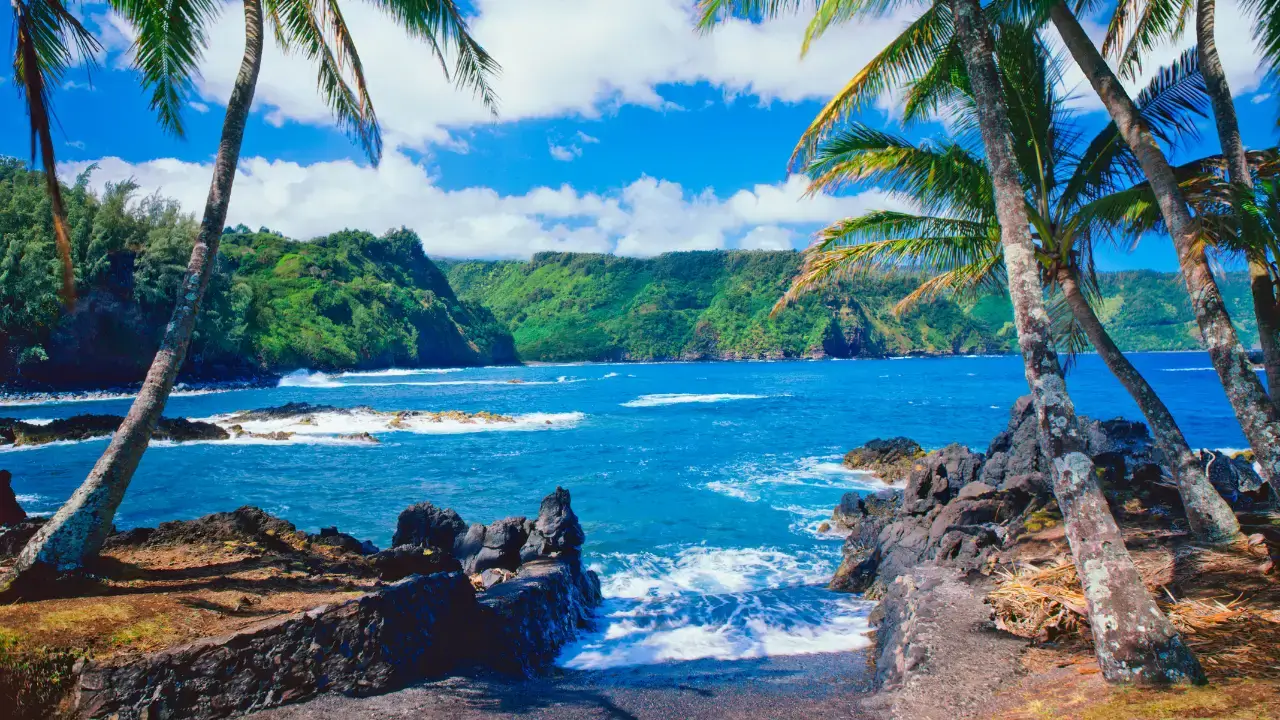
The famous drive along Maui’s east coast is a full day of narrow bridges, waterfalls and black sand beaches. Wai’anapanapa State Park, with its black sand cove, now asks visitors to reserve entry ahead, so plan that stop before you set off. Start early, take your time, and expect the drive itself, not any single stop, to be the highlight.
Haleakala Sunrise
Watching the sun rise from the summit of Haleakala, Maui’s big dormant volcano, is one of the state’s great early starts. Vehicles entering the summit area between 3 am and 7 am need a reservation, and sunrise places are limited. Book the reservation as soon as it opens for your date, and pack warm layers: the summit is cold before dawn, even in August.
4. Kauai: The Garden Isle and the Na Pali Coast
The Na Pali Coast
Kauai is the greenest and oldest of the main islands, and its northwest shore is the Na Pali Coast, a line of tall sea cliffs and hidden valleys with no road in. Most visitors see it from a boat tour or a helicopter. Summer is the best season for boat trips here, because the winter swells that close this coast are gone.
Hikers can walk the first stretch of the Kalalau Trail from Haena State Park, but park entry and trail access need reservations that sell out in summer. If hiking Na Pali matters to you, secure that booking before anything else on Kauai.
A Calmer North Shore in Summer
Hanalei Bay, on the north shore, is one of the prettiest beaches in Hawaii: a wide crescent of sand backed by green mountains. In summer the bay is usually calm enough for easy swimming and paddleboarding, which is not true in winter. The south shore around Poipu is the sunnier, drier side, with family friendly beaches and most of the island’s resorts.
Waimea Canyon
Inland, Waimea Canyon cuts deep into the west side of the island, with red rock walls and lookout points along the road up. It pairs well with a drive to the Kalalau Lookout above the Na Pali cliffs on a clear morning. Go early, because clouds often fill the canyon viewpoints by afternoon.
5. The Big Island: Volcanoes and the Kona Coast
Hawaii Volcanoes National Park
The island of Hawaii, usually called the Big Island, is the youngest and largest of the chain, and it is still growing. Hawaii Volcanoes National Park protects the summit of Kilauea, one of the world’s most active volcanoes. When eruptions are happening inside the park, viewing areas draw big crowds, and rangers adjust access for safety. Check the park’s current conditions before you go, and stay on marked trails and overlooks.
The Kona Coast
The dry west coast around Kailua-Kona is the island’s beach base, known for sunny weather, coffee farms on the slopes above town, and clear water. The signature night out here is a manta ray snorkel or dive, where lights draw the big rays in to feed. Summer evenings are a fine time for it, and the popular boats book up, so reserve ahead.
Distances Are Real
The Big Island is bigger than all the other islands combined, and drives are long. Many visitors fly into Kona and out of Hilo, or the other way around, to avoid backtracking. Give the volcano side and the Kona side at least two days each, and do not plan a single day that crosses the island twice.
6. Lanai and Molokai: The Quiet Islands
Lanai
Lanai is the easiest quiet island to add, because a passenger ferry runs between Maui and Lanai’s harbor. There are no big towns and very few hotels, just a small plantation town, a lovely bay at Hulopoe Beach, and a lot of empty red dirt roads. It works well as a long day trip from Maui or a very slow two night stay.
Molokai
Molokai is reached by small plane from Honolulu or Maui, and it is the least developed island that welcomes visitors. Life moves slowly, beaches are often empty, and the sea cliffs on the north shore are among the tallest in the world. Come here if quiet is the point of the trip, and keep your plans simple.
7. Island Hopping: How to Plan Your Route
Short Flights, One Ferry
Flights between the islands take about 30 to 50 minutes, and Honolulu is the main hub. Hawaiian Airlines and Southwest run frequent services, so hopping is easy on paper. The Lanai ferry from Maui is the one regular boat option; the other islands are reached by air.

How Many Islands to Include
A simple rule of thumb: give each island at least three nights. A week suits one island done properly, or two at a gentle pace. Trying to see four islands in seven days turns the trip into airports and check in desks. Pick the island that matches your main interest, then add one contrast, such as busy Oahu with quiet Kauai.
Getting Around Each Island
Outside Honolulu, public transport is limited, and most visitors rent a car. Summer rental fleets sell out, especially on Kauai and Maui, so the car is one of the first things to book after flights. On Oahu you can manage with Waikiki as a base, buses and one or two tours, which saves parking costs.
8. Booking Tips for a Summer Hawaii Trip
Book the Big Pieces Early
Flights, hotels and the rental car should be sorted months ahead for June to August. Prices rise as summer gets closer, and the best located rooms go first. Once your dates are fixed, search summer flights and stays in one place and lock in the pieces you are sure about. Our guide to booking cheap flights for summer vacations has more ways to keep the air fare down.
Reserve the Ticketed Sights
Several headline sights now run on reservations: Haleakala sunrise entry, the USS Arizona Memorial at Pearl Harbor, Haena State Park on Kauai, Diamond Head for out of state visitors, and the black sand beach park on the Road to Hana. These cost little or nothing, but they do run out. List the ones on your route and book each as its window opens. Our step by step guide on how to book a hotel also helps when you compare room types and cancellation terms.
Pack for Sun and Altitude
Hawaii restricts sunscreens with certain chemicals to protect its reefs, so buy reef safe sunscreen or pick it up after you land. Pack a light rain jacket for the wet windward sides of the islands, and warm layers if Haleakala sunrise is on your list. A dry bag for boat days and water shoes for rocky entries are small things that earn their space.
Frequently Asked Questions
What is the best island in Hawaii to visit in summer?
There is no single winner among the best destinations to visit in Hawaii for the summer. Oahu suits a first trip with limited time, Maui is the easiest all rounder for families and couples, Kauai is the pick for scenery and quiet, and the Big Island is best for volcano fans. Match the island to your main interest and you will be happy with any of them.
Is Hawaii crowded in summer?
Yes, summer is peak season, and popular beaches, tours and restaurants get busy. The crowds are manageable if you start sights early, reserve the ticketed attractions ahead, and spend some days away from the main resort strips. Late August is usually a little quieter than June and July.
Can you surf in Hawaii in summer?
Yes, but not on the famous winter breaks. In summer the North Shore is flat, while the south shores get the swells. Waikiki is one of the best places in the world to learn, with long, gentle waves and plenty of surf schools renting boards by the hour.
How many days do you need for a summer Hawaii trip?
Seven to ten days is a comfortable range. That gives one island a proper stay, or two islands at an easy pace with about four nights each. If you only have five days, stay on one island and skip the hopping, so the trip feels like a holiday instead of a transfer schedule.
What should I book in advance for Hawaii in summer?
Book flights, hotels and the rental car first, ideally months ahead. Then reserve the timed sights: Haleakala sunrise, Pearl Harbor’s USS Arizona Memorial, Diamond Head, Haena State Park and any boat tours you care about. These small bookings are the ones that sell out and shape your days.
Final Thoughts
The best destinations to visit in Hawaii for the summer are the ones that fit the trip in your head: Waikiki’s easy energy, Maui’s beaches and sunrise summit, Kauai’s green cliffs, or the Big Island’s living volcano. Summer gives you the calmest water and the driest trails of the year on every island. Book early, reserve the big sights, and leave some days unplanned for the beach you did not expect to love. When you are ready, you can check flights and hotels for this trip and start turning the plan into dates.
- Travel June to August for the driest weather and warmest, calmest water.
- Remember the surf flips: north shores are calm in summer, south shores get the waves.
- Give each island at least three nights, and pick two at most for a one week trip.
- Book flights, hotels and the rental car months ahead for summer dates.
- Reserve the ticketed sights early: Haleakala, Pearl Harbor, Diamond Head and Haena.
- Pack reef safe sunscreen, a light rain layer and warm clothes for the Haleakala summit.