
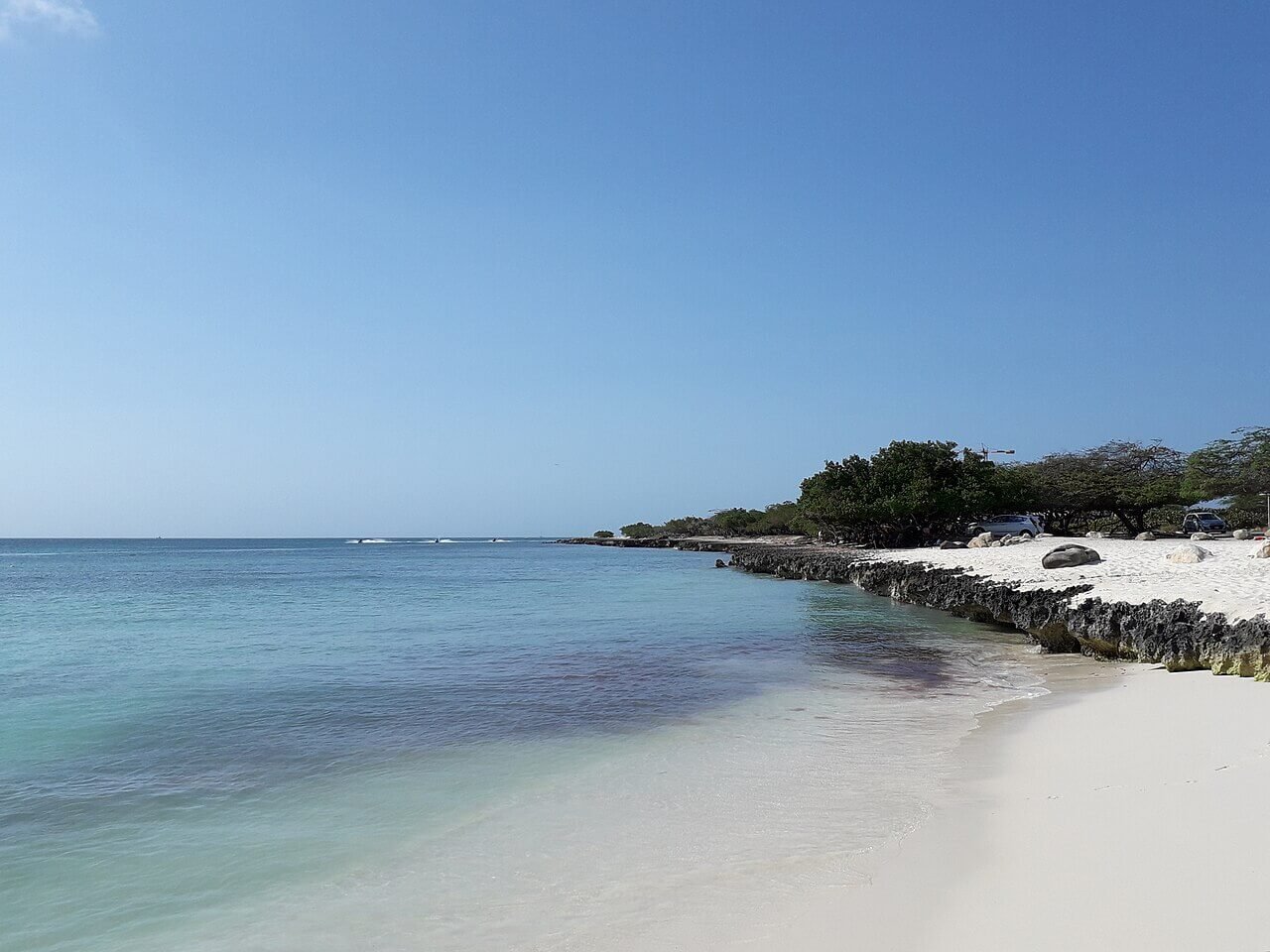
Summer in the Caribbean sounds like an easy sell: warm sea, long days and lower prices than the winter peak. But anyone planning a June to November trip meets one honest question first. Summer is also hurricane season, so which islands are actually a smart bet?
The good news is that the Caribbean is a big region, and the risk is not spread evenly. The best destinations to visit in Caribbean for the summer are mostly in the far south, where storms rarely reach. A few other famous islands can still work well if you book smart and stay flexible.
This guide answers the hurricane question honestly, then walks through the islands one by one: Aruba, Curacao and Bonaire, Barbados, Jamaica, and the Bahamas with the Dominican Republic. You also get simple ways to protect the trip, from flexible bookings to insurance timing.
Where you go in the Caribbean matters much more in summer than it does in January.
Contents
- 1. The Hurricane Season Question, Answered Honestly
- 2. Aruba: The Safest Summer Bet
- 3. Curacao and Bonaire: Colorful Towns and Clear Water
- 4. Barbados: Southern Edge and Crop Over Season
- 5. Jamaica in Summer: Worth It With Eyes Open
- 6. Bahamas and Dominican Republic: Go Prepared
- 7. How to Protect Your Summer Trip
- 8. Booking Tips for a Caribbean Summer
- Frequently Asked Questions
- Final Thoughts
1. The Hurricane Season Question, Answered Honestly
When the Season Runs
The Atlantic hurricane season runs from June 1 to November 30. The busiest stretch is usually mid August to early October, when sea temperatures peak. June, July and early August see fewer storms, but they are never impossible.
Rain is the more everyday issue: many islands get short, heavy afternoon showers in summer even with no storm near. Beach mornings are usually fine, and a shower rarely ruins a day.
Why the South Is Different
Most hurricanes travel through the central and northern Caribbean before curving toward Florida. The southern islands, Aruba, Bonaire and Curacao off the coast of Venezuela, plus Barbados at the eastern edge, sit south of that main track. Locals call the ABC islands outside the hurricane belt, and direct hits there are rare.
Rare is not the same as never, and no guide should promise perfect weather. But the odds differ so much between the south and the north in summer that it should drive your choice of island.
The Trade You Are Making
Summer also brings real rewards: lower hotel rates, emptier beaches and warm sea water all day. Pick a southern island, or protect your trip properly, and you get the Caribbean at its calmest and cheapest.
For a wider look at seasonal planning, our guide to where to travel in summer compares regions across the world.
2. Aruba: The Safest Summer Bet
Dry, Windy and Almost Always Sunny
Aruba sits just off the Venezuelan coast and has an arid climate that surprises first time visitors: cacti and twisted divi divi trees instead of lush jungle. Rain is scarce all year, summer included, and steady trade winds keep the heat comfortable.
Because storms so rarely reach this far south, Aruba is the island travel advisors name first for a low risk summer trip. Flights and hotels also price lower than in the winter peak.
Eagle Beach and Palm Beach
Eagle Beach is the wide, quiet showpiece, a long sweep of white sand with low rise hotels behind it. Palm Beach, just north, is the lively strip: high rise resorts, beach bars and water sports in walking distance. Both face west, so the water is calm and the sunsets superb. Families tend to prefer Palm Beach, couples Eagle Beach.

Beyond the Beach
Rent a car for a day and drive to Arikok National Park, a dry, rocky fifth of the island with caves, dunes and natural pools, then stop at the California Lighthouse and colorful Oranjestad. Snorkeling is good at Mangel Halto and at Baby Beach, a shallow lagoon that suits beginners and children well.
3. Curacao and Bonaire: Colorful Towns and Clear Water
Willemstad, Curacao’s Postcard Capital
Curacao, the largest of the ABC islands, shares Aruba’s dry southern position and adds the most interesting town in the southern Caribbean. Willemstad is a UNESCO World Heritage site, famous for the Handelskade, a row of bright painted buildings along the harbor.
The Queen Emma Bridge, a floating pontoon bridge that swings open for ships, links Punda to Otrobanda. Cross it at sunset, then try a glass of the island’s own blue liqueur in a waterfront cafe.

Beaches and Bays
Curacao’s beaches sit in small coves along the west coast rather than one long strip. Playa Kenepa Grandi is the local favorite, a wide bay of clear blue water, while Cas Abao and Porto Mari suit a full relaxed day. The island feels less built up than Aruba and rewards travelers who rent a car and explore bay by bay.
Bonaire for Divers and Quiet Days
Bonaire is the quietest of the three. The whole coast is a protected marine park, famous for shore diving: you park, walk in and reach the reef in a few fin kicks. Snorkelers get almost the same show in shallow water.
On land, expect salt flats, flamingos and a slow pace in the small capital, Kralendijk. Choose Bonaire if your trip is about the water itself rather than nightlife.
4. Barbados: Southern Edge and Crop Over Season
Why Barbados Works in Summer
Barbados sits at the far eastern edge of the island chain, south of the main hurricane track. Storms pass north of it far more often than they hit it, and its last truly destructive direct hurricane was decades ago. Summer rain falls in short bursts, and the sea stays warm. In short, Barbados is the classic middle choice: livelier and greener than the ABC islands, with better summer odds than the northern Caribbean.
Crop Over: The Summer Festival
Summer is festival season in Barbados. Crop Over began as a harvest celebration and now runs for weeks, with music, food stalls and costume bands. It builds to Grand Kadooment Day in early August, when thousands of costumed dancers parade through the streets.
If you enjoy a festival, time your trip for late July or early August and book early, because the island fills up. For quiet beaches and lower prices, come in June instead.

Two Coasts, Two Moods
The west coast, often called the Platinum Coast, has calm water, gentle beaches and the island’s smartest hotels and restaurants. The south coast around St Lawrence Gap mixes good swimming with a lively strip of bars and eateries.
The east coast faces the Atlantic and belongs to surfers and walkers. Bathsheba’s rock pools and rolling waves are beautiful, but the sea is too rough there for casual swimming.
5. Jamaica in Summer: Worth It With Eyes Open
The Honest Picture
Jamaica sits in the middle of the hurricane belt, so a summer trip here carries real storm risk, especially from mid August onward. Recent seasons proved it: in July 2024 a major hurricane brushed the south coast and caused serious damage in some parishes.
Still, thousands visit every summer without seeing more than afternoon rain. Prices fall, resorts feel spacious, and June and July carry much lower storm odds than September.
Where to Base Yourself
Montego Bay is the main resort hub, close to the airport with hotels at every level. Negril, about ninety minutes west, has the famous Seven Mile Beach and a laid back feel that suits couples and slow days. Ocho Rios, on the north coast, is the base for Dunn’s River Falls, where guides lead chains of climbers up a terraced waterfall.
How to Do Jamaica in Summer
Pick June or July over late August and September if your dates can move. Book a refundable rate, buy insurance early, and watch the forecast in the week before you fly, using the checks in section 7. Plan water activities for the calm mornings, and save the rum distillery tour for showery afternoons.
6. Bahamas and Dominican Republic: Go Prepared
The Bahamas: Closest and Most Exposed
The Bahamas stretch just off Florida, making them the easiest Caribbean trip from the United States and one of the most exposed to hurricanes. The islands sit directly on common storm paths, and Hurricane Dorian in 2019, which devastated Abaco and Grand Bahama, still shapes local planning.
In summer, Nassau and Paradise Island still offer plenty: big resorts, water parks and quick flights home if plans change. The Out Islands, such as Exuma with its swimming pigs, are prettier and quieter, but harder to leave quickly if a storm approaches.
Dominican Republic: Punta Cana and Beyond
The Dominican Republic is the Caribbean’s resort giant. Punta Cana’s long beaches and all inclusive hotels deliver the lowest prices for a full service beach week, and summer discounts run deep. The island also sits inside the hurricane belt, its east coast facing the Atlantic storm track, and warm months can bring sargassum seaweed to Punta Cana beaches, so check recent guest photos before you book.
How to Visit These Two Safely in Summer
Treat section 7 as part of the booking: flexible rates, early insurance and a forecast check before departure. Favor June and July, choose well run resorts with proper storm plans, and both countries can still give you a fine summer week.
7. How to Protect Your Summer Trip
Book Flexible, Every Time
In storm season, the cheapest non refundable rate is often the most expensive choice. Book hotels with free cancellation up to a few days before arrival, and prefer flights you can change without heavy fees, so a storm threat means shifting dates instead of losing the trip.
Our step by step guide on how to book a hotel shows how to compare cancellation terms properly, which matters far more in summer than in peak season.
Buy Travel Insurance Early
Insurance is the single best protection for a summer Caribbean trip, but timing matters. Policies only cover storms not yet named when you buy, so purchase cover right after booking, not the week before you fly. Look for trip cancellation and interruption cover, plus medical cover, since your home health plan may not apply abroad. A cancel for any reason upgrade costs more, but for a trip built around one special week, many travelers find it worth it.
Watch the Forecast Like a Local
From about a week before departure, check the US National Hurricane Center outlook every day or two. Storms usually give several days of warning, and airlines issue flexible rebooking waivers when one targets an island. Keep the airline and hotel apps on your phone with notifications on, and act on day one of a waiver, not day three.
8. Booking Tips for a Caribbean Summer
Pick the Island First, Then the Deal
The ranking of the best destinations to visit in Caribbean for the summer starts with weather risk, so choose the island first, then find the hotel. Aruba, Curacao, Bonaire and Barbados for peace of mind; Jamaica, the Bahamas and the Dominican Republic for lower prices with a protection plan. You can check flights and hotels for this trip once your island is chosen, and compare the flexible rates side by side.
Time It Right
Early summer is the sweet spot: June and July bring low season prices with lower storm odds than the August and September peak. Couples without children often find June the cheapest month, while September is cheapest of all and riskiest.
Flight prices move with timing too. Our guide to the best time to book cheap flights explains the booking windows that usually save money.
Pack and Plan for Rain Anyway
Even on the driest island, pack a light rain jacket and plan one town based activity for each few days. Book boat trips early in your stay, so a windy day can be swapped rather than lost.
Frequently Asked Questions
What are the best destinations to visit in Caribbean for the summer?
The southern islands lead the list: Aruba, Curacao and Bonaire sit outside the main hurricane belt and stay dry, while Barbados adds festivals and greener scenery. Jamaica, the Bahamas and the Dominican Republic can also work, mainly in June and July, with flexible rates and insurance.
Is it safe to visit the Caribbean during hurricane season?
It can be, with the right island and the right habits. Most summer weeks pass without a storm, and forecasts give days of warning when one forms. Choose southern islands to cut the risk sharply, and protect northern island trips with flexible bookings and early insurance.
Which Caribbean islands are outside the hurricane belt?
Aruba, Bonaire and Curacao, the ABC islands off the coast of Venezuela, are the standard answer. Barbados sits on the southern edge of the belt and is hit far less often than the northern islands, though it is not fully outside the risk zone.
When is the riskiest time for a Caribbean summer trip?
The peak runs from mid August to early October, September usually busiest. June and July are statistically calmer across the region. If you must travel in the peak weeks, favor the southern islands and keep every part of the trip changeable.
Does travel insurance cover hurricanes in the Caribbean?
Yes, standard trip cancellation and interruption policies cover hurricanes as a named peril, but only if you buy before the storm is named. Buy cover as soon as you book. Some policies also offer a cancel for any reason upgrade at extra cost.
Final Thoughts
The Caribbean in summer is not a gamble if you choose well. Head south to Aruba, Curacao, Bonaire or Barbados and the hurricane question mostly fades away, leaving warm sea, quiet beaches and low season prices. Choose the famous northern islands and you can still have a great trip, as long as flexibility and insurance are part of the plan. When you are ready, you can search summer flights and stays and lock in the flexible rates while they last.
- Summer is hurricane season, June to November, with the peak from mid August to early October.
- The best destinations to visit in Caribbean for the summer sit in the south: Aruba, Bonaire, Curacao and Barbados.
- Jamaica, the Bahamas and the Dominican Republic work best in June and July, with a protection plan.
- Book free cancellation rates for every hotel and changeable flights.
- Buy travel insurance right after booking, before any storm is named.
- Check the National Hurricane Center forecast in the week before you fly.
- Plan sea activities for the mornings and keep one rainy day plan in reserve.