

Introduction
Finding affordable long-term car rental in Austria doesn’t have to feel like hunting for treasure in the Alps. With platforms like Localrent, the entire process becomes simple, flexible, and surprisingly budget-friendly especially when compared to the larger, traditional car rental corporations that practically give you a heart attack when you see their “final total.” If you’re planning to stay in Austria for several weeks or months, having your own car can completely transform your experience. Instead of juggling train schedules or relying on tour buses, you gain the freedom to explore mountain villages, lakes, wineries, and national parks on your own time.
Austria is a country where having a car isn’t just useful it’s enjoyable. Picture driving along the Grossglockner High Alpine Road, cruising beside lakes in Carinthia, or weaving through Salzburg’s rolling green hills. A long-term rental gives you enough time to explore beyond the typical tourist routes and truly settle into the rhythm of Austrian life. But here’s where people get stuck: long-term rentals can be expensive, especially from the big international brands. That’s why Localrent is becoming one of the most popular solutions for travelers and digital nomads looking for affordability without sacrificing quality.
Localrent connects you with local rental companies, which allows for more competitive pricing and better personalized service. The cars are often newer, the deposits are lower, and the rental terms are more flexible. It’s basically the Airbnb of car rentals but simpler. Whether you’re staying for work, slow travel, or an extended road trip, this guide will walk you through everything you need to know about finding the best long-term rental in Austria at the best possible price.
Why Long-Term Rental Matters
Long-term rental isn’t just about having a car for more days. It’s about unlocking flexibility, comfort, and financial advantages that short-term rentals can’t offer. Imagine needing transportation every day whether for work, travel, or daily errands. Buying a car in a foreign country is complicated, involving registration, insurance, inspections, and taxes. Public transportation, while efficient, doesn’t always reach remote areas. Taxis and ride-shares can drain your wallet faster than hotel minibar snacks.
Long-term rental sits in the perfect middle. You get a reliable car for a month or more, but without ownership responsibilities. No unexpected maintenance bills. No stress. And the longer you rent, the cheaper the daily cost becomes. Many local providers in Austria offer hugely discounted monthly rates sometimes up to 60% cheaper than short-term per-day prices. This makes it an incredibly attractive option for people staying 30, 60, or even 90 days.
And let’s talk convenience. When you have a long-term rental, you don’t need to keep renewing contracts or swapping vehicles every week. You can keep your luggage in the trunk, store small travel essentials inside, plan road trips spontaneously, and travel exactly how you want. Especially in Austria, where scenic drives are part of the experience, a long-term rental connects you to the country more intimately than any bus or train ever could.
How Localrent Fits Into the Picture
Localrent has completely changed the way people rent cars abroad. Instead of relying on giant rental corporations, Localrent connects travelers with local car rental companies and independent car owners. This peer-to-business model cuts out the middlemen and dramatically reduces prices, especially for long-term rentals. But affordability isn’t the only advantage.
One reason Localrent is gaining popularity in Austria is that it offers more flexible terms. Unlike the big brands that enforce strict policies, Localrent’s partners often provide customized contracts lower deposits, unlimited mileage, seasonal discounts, and even drop-off/pick-up options at convenient locations. Customer service also tends to be more personal because you’re dealing with someone local, not a multinational bureaucracy.
Another advantage is transparency. Localrent shows you the exact car you’ll receive make, model, year, mileage, and photos. No more bait-and-switch or “similar model” surprises. You know exactly what you’re paying for. And since long-term renters usually need a car they can rely on for weeks or months, this clarity makes the entire process smoother and more trustworthy.
Localrent’s biggest win, however, is price. Long-term rentals through the platform can be 30–50% cheaper than traditional agencies. With Austria being a country where travel can get expensive quickly, this kind of savings makes a huge difference in your overall budget.
Understanding Long-Term Car Rentals
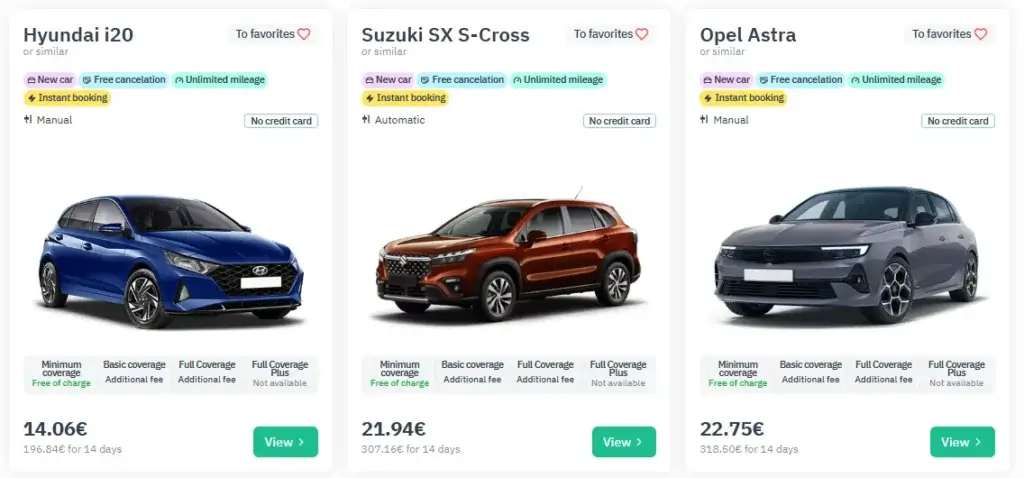
Image Credit: Localrent
Long-term car rental is more than just signing a longer contract. It comes with its own set of rules, benefits, and expectations. When renting long-term typically anything from 30 days to 12 months you’re essentially entering a semi-extended relationship with the rental provider. That’s why understanding how long-term rentals work is key to getting the best deal and avoiding problems later.
Long-term rentals usually have significantly lower daily rates compared to short-term bookings because rental companies prefer steady, predictable income rather than frequent car turnovers. The car stays with one customer longer, meaning less cleaning, fewer inspections, and reduced administrative work. This efficiency translates into real savings for you.
Another important part of understanding long-term rentals is contract flexibility. With long-term agreements, you’re more likely to negotiate special perks like unlimited mileage, free additional drivers, extended insurance coverage, or even free winter tires. Many local providers in Austria are willing to customize deals for long-term renters because they value stable bookings.
But keep in mind that long-term rentals also come with responsibilities: returning the car clean, checking oil levels, respecting mileage limits if applicable, and ensuring no major damage occurs. While these are standard expectations, long-term renters must treat the car almost like their own. Understanding this balance of responsibility and savings helps you get the most out of your rental experience.
What Counts as Long-Term?
The definition of “long-term rental” can vary slightly depending on the rental company, but most Austrian providers consider anything over 28–30 days to be long-term. The most common timeframes are:
- 30 days
- 45 days
- 60 days
- 90 days
- 6 months
- 12 months
The longer you rent, the cheaper the price becomes per day. A car that costs €45 per day for short-term rentals could drop to €25 or even €18 per day when booked for a month or more. That’s why long-term rentals are extremely popular among temporary residents, remote workers, long-stay tourists, students, and expatriates.
Long-term rentals behave almost like leasing but without the paperwork, credit checks, or long-term commitment. Unlike leasing, you’re free to choose your rental length, and you can return the car early in many cases (though some companies may charge a small adjustment fee). Localrent is particularly generous in this area because many local suppliers allow flexible extensions or reductions with minimal hassle.
If you’re in Austria for at least a month, you automatically qualify for long-term rental discounts on Localrent, making it one of the most affordable ways to get around the country.
Differences Between Short-Term and Long-Term Rentals
Most people assume that renting a car long-term is simply “renting a car but longer,” but the two options are very different and long-term rentals almost always win in value. The biggest difference is cost efficiency. While short-term rentals charge high daily rates, long-term bookings spread the cost across weeks or months, giving you much better pricing.
Another difference lies in contract flexibility. Short-term rentals are rigid: fixed pickup times, strict insurance add-ons, mileage caps, and pricey extras. Long-term rentals, especially through Localrent, can be negotiable. You can often request unlimited mileage, long-term insurance packages, included delivery, or free second drivers.
There’s also a difference in usage expectations. Short-term rentals assume you’re using the car for quick trips. Long-term rentals assume daily use, so the cars offered are typically more practical compact cars, fuel-efficient models, or comfortable sedans designed for everyday driving.
Finally, long-term renters benefit from lower deposits, simpler paperwork, and smoother communication. The rental provider sees you as a long-term client, so the experience becomes more personalized, relaxed, and supportive.
Why Austria Is Perfect for Long-Term Car Rentals
Austria is a country built for scenic driving, making a long-term rental not only practical but incredibly rewarding. From the alpine roads in Tyrol to the lakes of Salzkammergut and the wine regions near Graz, Austria is best explored with the freedom a car provides. Public transportation is excellent for city travel, but if you want to explore villages, mountain passes, lakes, and hidden gems, nothing beats having your own vehicle.
One of the biggest advantages of driving in Austria is the country’s compact size. You can drive from Vienna to Salzburg in under three hours, from Innsbruck to Graz in four, or from Hallstatt to Munich in two. This makes weekend trips and spontaneous road adventures incredibly easy.
Austria also has some of Europe’s most well-maintained roads, stunning scenic byways, and modern highway systems. It’s a dream for drivers who enjoy smooth, safe, and picturesque travel. With a car, you can explore places that trains and buses simply never reach.
For long stays, a rental car adds massive convenience. Whether you’re grocery shopping, commuting, sightseeing, or touring the Alps, a car offers unmatched comfort not to mention the joy of discovering Austria beyond the typical postcard photos.
Geography and Travel Convenience
Austria’s landscape is incredibly diverse for its size: alpine peaks in the west, gentle vineyards in the east, rolling hills in the south, and vibrant cultural capitals sprinkled throughout. This blend of geography makes driving not only practical but often necessary if you want to experience the country fully.
The convenience of a rental car becomes obvious once you leave the major cities. While Vienna, Graz, Innsbruck, and Salzburg have excellent public transport, rural Austria operates differently. Small villages receive limited bus service, alpine areas require transfers, and many attractions like hiking trails, castles, lakes, and nature parks are only reachable by car.
A long-term rental gives you full access to:
- Hidden villages in Tyrol and Vorarlberg
- Remote ski resorts
- Lakeside towns like Zell am See and Millstatt
- Wine regions like Wachau and Southern Styria
- Mountain roads like Grossglockner and Nockalmstraße
Having your own car in Austria means freedom. No more adjusting your plans around bus schedules or worrying about missing the last train. You can stay out late, visit rural restaurants, chase sunsets in the Alps, or explore multiple regions in a single weekend.
This level of convenience becomes even more valuable the longer you stay.
Public Transport vs Car Rental Comparison
Austria’s public transport system is impressive fast trains, clean buses, and efficient trams. But even the best public transport has limits. If you’re planning to explore Austria deeply, especially during a long stay, you’ll quickly realize that trains can’t take you everywhere. Many scenic spots require multiple transfers, long walks, or restricted schedules. And if you’re traveling with kids, luggage, or ski equipment, managing everything on buses and trains becomes tiring fast.
A long-term rental solves those issues. It’s often cheaper than relying on trains for daily travel, especially for families or couples. With a car, you pay once and use it as much as needed no ticket fees per ride.
Let’s break down the comparison more clearly:
| Feature | Public Transport | Long-Term Rental |
|---|---|---|
| Flexibility | Limited | Unlimited |
| Access to remote areas | Poor | Excellent |
| Cost for long stays | High | Lower per day |
| Luggage convenience | Difficult | Easy |
| Family-friendly | Moderate | Very good |
| Ability to explore multiple regions | Limited | Excellent |
While public transport is great for short city stays, a long-term rental becomes the smarter choice for extended visits. It gives you the independence to explore Austria fully and enjoy every corner of its breathtaking scenery.
What Makes Localrent Ideal for Long-Term Rentals
Localrent has quickly become one of the top choices for travelers seeking affordable long-term car rentals in Austria and it’s not difficult to understand why. Long-term renters have very different needs than short-term vacationers they need consistent pricing, reliability, flexibility, and comfort. Localrent brings all of these together in a way that large rental corporations simply can’t match. Instead of dealing with standardized contracts, strict rules, and impersonal customer service, you get a direct connection with small local providers who are more willing to work with your specific requirements.
One of the biggest reasons Localrent stands out is the pricing structure. Traditional rental companies usually keep the daily rate high, even when booking for weeks or months. Localrent’s local suppliers, on the other hand, are much more competitive. They know that keeping a car rented long-term is good business for them it means less turnover, fewer inspections, and lower labor costs. These savings are passed directly on to the customer. For long-term renters, this often translates into discounts of 30–50% compared to international agencies.
But affordability isn’t the only reason Localrent shines. Their transparent system lets you see the exact car you’re renting. You can view real photos, detailed specs, age, mileage, and equipment. There’s no surprise “similar model” waiting for you at pickup. For someone who will use the car every day for weeks or months, this level of trust and clarity is invaluable.
Localrent is also known for its friendly user experience. The booking process is simple, customer support is accessible, and the platform offers a straightforward system for deposits, insurance, and extensions. Many suppliers even allow negotiation for long-term packages something you’ll never see with big rental brands. Whether you’re in Austria for business, slow travel, or family obligations, Localrent provides an affordable, flexible, and trustworthy long-term car rental solution.
How Localrent Differs From Traditional Agencies
If you’ve ever rented from a large international company like Hertz, Avis, or Sixt, you’ll immediately notice the difference when using Localrent. Traditional agencies operate like giant corporations: standardized pricing, strict rules, limited negotiation, and rigid policies. While they may offer uniform service worldwide, they rarely deliver the best value especially for long-term rentals.
Localrent flips this system on its head by connecting you directly with local rental companies. These smaller providers don’t have the overhead of airport counters, enormous fleets, or multinational branding campaigns. Instead, they focus on customer satisfaction and competitive pricing. This allows Localrent to offer more personalized service and far more reasonable rates. The cars they provide are often newer, better maintained, and more realistically priced because the rental partners care about their reputation and rely on positive reviews.
Another major difference is flexibility. Traditional agencies usually have strict contracts: limited mileage, expensive add-ons, compulsory insurance upgrades, and higher deposits. Localrent’s partners are far more adaptable. Need unlimited mileage? Want a long-term discount? Looking to pick up the car at your hotel? With local providers, these requests are often granted without hassle.
The most striking difference, however, is transparency. Traditional agencies regularly practice “upsell at the counter” tactics or offer a “similar model” instead of the car you expected. Localrent shows you exactly what you’re renting no surprises. You get photos, details, and honest terms upfront. For long-term renters, this clarity eliminates stress and gives confidence that you’re getting exactly what you pay for.
Benefits for Tourists and Residents
Both tourists and residents in Austria benefit from using Localrent for long-term car rentals, albeit for slightly different reasons. For tourists especially those on extended stays the main benefit is freedom. Austria has endless scenic routes, charming villages, and breathtaking national parks that you can’t easily reach with public transport. With a long-term rental, you can explore at your own pace, take spontaneous road trips, and avoid juggling train schedules or hauling luggage across stations. The car becomes a part of your travel lifestyle.
Price also matters for tourists. Since Localrent offers significantly lower long-term rates, extended travelers can save hundreds or even thousands of euros compared to traditional rental chains. Digital nomads, remote workers, seasonal travelers, and slow explorers especially appreciate this financial advantage.
For residents, expats, or students living temporarily in Austria, Localrent is a practical alternative to buying a car. Purchasing a vehicle in Austria involves registration, insurance, taxes, TÜV inspections, and long-term commitments not ideal if you’re staying for only a few months. A long-term rental through Localrent bypasses all that bureaucracy. You simply pick up the car, use it, and return it. No maintenance, no government paperwork, no depreciation costs.
Residents also benefit from Localrent’s flexible contract terms and friendly service. Need to extend your rental for another month? Want to switch to a different car? Local suppliers are far more willing to accommodate such requests. This flexibility offers peace of mind, especially for people who aren’t sure how long they’ll stay.
Whether you’re a tourist seeking adventure or a resident needing everyday mobility, Localrent combines value, simplicity, and freedom in a way that suits every lifestyle.
Top Advantages of Renting Long-Term in Austria
Long-term car rentals offer far more than just a lower price they provide a lifestyle upgrade for anyone staying in Austria for extended periods. Austria is a country where road travel is part of the charm: alpine routes, lakeside drives, and cultural towns scattered across picturesque landscapes. Renting long-term means you get the freedom to explore all of these without time pressure, daily rental limitations, or transportation stress.
A major advantage is predictability. Long-term rentals come with fixed monthly rates that simplify your budget. Instead of paying expensive daily fees or relying on unpredictable train and taxi costs, you have one stable price for unlimited mobility. Many long-term renters also enjoy perks like unlimited mileage, included winter tires, free additional drivers, or discounted insurance packages.
Another advantage is comfort. When you rent long-term, the car becomes an extension of your home. You don’t have to constantly pack and unpack, return the car before 10 AM, or worry about availability. You build familiarity with the vehicle how it drives, how to navigate Austria’s highways, and where everything is located inside. This comfort matters more than people realize, especially on long trips or daily commutes.
Long-term rentals also give you maximum independence. You can wake up one morning and decide to visit Hallstatt, drive through Tyrol’s mountains, or spend the weekend in Salzburg. No schedules, no waiting, no restrictions. It’s the kind of freedom that turns a long stay in Austria into a personal adventure.
Cost Savings
One of the most important advantages of long-term car rental in Austria especially through Localrent is the significant cost savings. Daily rental rates can be shockingly expensive when booked through traditional agencies. But long-term rates are designed to reward extended stays. Renting for 30 days or more can drop the daily price by 40–60%.
To put it into perspective:
- A short-term rental might cost €50–€70 per day.
- A long-term rental on Localrent can cost as little as €18–€30 per day.
That’s a massive difference over a month or two.
Long-term rentals also eliminate many small fees that accumulate with short-term bookings. For example, short-term rentals often charge extra for additional drivers, winter tires, premium insurance, or airport pickups. With long-term deals especially local ones many of these fees are already included or heavily discounted.
Another area where you save money is public transport. While Austria has excellent trains, long-distance travel adds up quickly. If you’re traveling frequently between cities or exploring rural areas, the total cost can actually exceed that of a long-term rental. Taxis and ride-shares also become extremely expensive for daily use.
Finally, long-term renters save on maintenance costs. With a rental, everything is covered. No paying for service, repairs, oil changes, or unexpected breakdowns. For people who need daily mobility, the savings add up quickly.
Flexibility
Flexibility is one of the strongest reasons people love long-term car rentals, and Localrent delivers this better than almost any traditional agency. When you rent long-term, you’re not bound by public transport schedules, waiting for buses in the cold, or worrying about train availability. You can go wherever you want, whenever you want early mornings, late nights, or spontaneous weekend trips.
On top of travel flexibility, Localrent’s local partners often offer contract flexibility. Need to extend your rental by another month? No problem. Want to switch to a bigger car because family is visiting? Many suppliers can arrange that. Staying shorter than expected? Some providers allow early returns with only a small adjustment in pricing.
Flexibility also comes into play with pickup and return locations. Local suppliers often deliver cars directly to your hotel, apartment, or train station something big rental companies rarely offer without high fees. Long-term customers, in particular, are treated with more personalized service.
Another layer of flexibility is the driving radius. With long-term rentals, you’re often allowed to drive not only within Austria but also into neighboring countries such as Germany, Italy, Switzerland, Slovakia, and Czechia (depending on the provider). This opens up an entire region to explore.
Long-term rentals give you a sense of independence that’s hard to replicate with public transport or short-term rentals. Your car becomes part of your life in Austria, giving you control over your time and travel experience.
Zero Maintenance Worries
One of the hidden benefits of long-term renting is the complete lack of maintenance responsibility. When you own a car, you have to handle oil changes, tire rotations, inspections, engine checks, and unexpected repairs not to mention the stress of paying for them. In Austria, car maintenance and repairs can be expensive, especially for imported parts. But with a long-term rental, all of that worry disappears.
Localrent’s partners take care of everything behind the scenes. Before you pick up the car, it’s inspected, serviced, and cleaned. If any maintenance is needed during your rental period and that’s rare with newer cars you simply contact the provider, and they handle it. No bills. No inconvenience. In some cases, they’ll even come to you with a replacement car if the repair takes more than a day.
This is a huge relief for long-term travelers, temporary residents, expats, and digital nomads who don’t want to deal with the logistics of car ownership abroad. You get all the benefits of having a car with none of the responsibilities. Winter tire changes? Covered. TÜV inspection? Covered. Engine checkups? Covered.
This peace of mind allows you to enjoy Austria without the constant worry of mechanical issues or unexpected expenses. You can focus entirely on your travel experience, not on what’s happening under the hood.
Types of Cars Available on Localrent
Localrent offers one of the most diverse car selections available in Austria. Because the cars come from many different local providers, the fleet includes everything from compact fuel-savers to premium luxury vehicles. This wide selection is perfect for long-term renters who want a car that fits their lifestyle not just whatever is available at a corporate counter.
Whether you need a budget-friendly economy car for solo travel, a spacious SUV for family adventures, or a luxurious ride for business or comfort, Localrent has options for every need. The platform provides detailed car descriptions, real photos, mileage information, and even owner reviews, helping you choose with confidence.
Localrent also stands out by offering both manual and automatic cars, something many travelers appreciate. In Austria, many local and traditional rentals lean heavily toward manual vehicles, but Localrent’s diversity makes it easier to find an automatic if that’s your preference especially useful for long-term comfort.
Let’s break down the main categories.
Economy Options
Economy cars are the most affordable and practical choice for long-term renters looking to save money without compromising reliability. On Localrent, you’ll find models like the Volkswagen Polo, Hyundai i20, Toyota Yaris, Renault Clio, and Skoda Fabia. These cars are fuel-efficient, easy to navigate through both cities and rural roads, and usually come with very low rental rates.
For long-term travel, economy cars are ideal for solo travelers, couples, or students. They use far less fuel than SUVs or larger sedans, making them perfect for budget-conscious renters. Their compact size is also helpful in Austria’s narrow mountain roads, medieval towns, or tight parking spaces.
Despite being affordable, economy cars today are equipped with modern features Bluetooth connectivity, air conditioning, USB ports, safety systems, and comfortable seating. Many even include newer technologies like backup cameras or lane assist, depending on the model.
Long-term renters love economy options for their low operating cost. A small tank means cheap refills, and most models deliver exceptional mileage. If your goal is to explore Austria affordably while still having complete independence, an economy car is the perfect match.
SUVs and Family Cars
SUVs and larger family cars are excellent choices for travelers prioritizing comfort, space, and safety. On Localrent, you’ll find a wide variety of models such as the Skoda Kodiaq, VW Tiguan, Hyundai Tucson, Kia Sportage, BMW X1/X3, Mercedes GLA/GLC, and more. These vehicles are perfect for families, business travelers, or anyone planning to spend a lot of time driving in the mountains.
Austria’s geography makes SUVs especially useful. The Alps dominate much of the country, and having the extra power and stability of an SUV makes driving more comfortable particularly during winter months when snow is common. Many SUVs come equipped with 4×4 or all-wheel drive, giving you better traction and control.
SUVs also offer a lot of interior space for luggage, sports gear, ski equipment, or family travel essentials. If you’re planning long trips or exploring multiple regions, having that extra room can make a big difference in comfort.
While SUVs cost more than economy cars, Localrent’s long-term discounts help bring the price down significantly. This makes premium family cars more accessible, even for travelers on a moderate budget.
Luxury Options
For renters who want something special, Localrent also offers a selection of luxury vehicles ideal for business trips, special events, or people who simply enjoy high-end comfort. The platform often includes models such as the Mercedes E-Class, BMW 5 Series, Audi A6, Range Rover Evoque, and other premium cars.
These vehicles are perfect for long-term renters who want an elevated driving experience. Luxury cars provide smoother suspension, advanced safety systems, powerful engines, and premium interiors with leather seats and enhanced technology. For those driving long distances or spending hours on the road, the comfort difference can be enormous.
Localrent’s advantage is that luxury cars are often priced more competitively than at traditional rental agencies. Because you’re renting from local suppliers rather than large corporations, you avoid the inflated rates typically associated with premium brands. This makes it far more realistic to enjoy a luxury experience without breaking the bank.
How to Get the Best Price on Long-Term Rentals
Finding the best price for a long-term car rental in Austria isn’t just luck it’s strategy. And the great news? With Localrent, getting a fantastic monthly rate is much easier than with traditional rental companies. The biggest mistake most people make is assuming rental prices are fixed. They aren’t. They fluctuate with demand, season, car type, rental duration, and even the pick-up location. If you understand how these factors work, you can reduce your rental cost dramatically.
Start by knowing that long-term rentals are cheapest when demand is low. This is usually outside of peak travel seasons. Another effective way to save money is to book directly through platforms like Localrent where local suppliers compete with each other meaning prices naturally stay competitive. You can also reach out to the rental provider through the platform’s messaging system and ask about long-term discounts. Many local suppliers are extremely open to negotiation for month-long bookings.
Another key strategy is choosing the right pickup location. Airport rentals tend to be pricier because of added taxes and demand. In-city rentals such as Vienna, Graz, or Linz are usually cheaper and offer more flexibility. You should also look at car categories carefully. While luxury cars are tempting, they aren’t always necessary for long-term stays. Economy cars and compact sedans provide better mileage and lower rental rates.
One overlooked way to save money is adjusting your rental length. If you need a car for 26 days, consider stretching the rental to 30 days. Many companies drop the rate significantly once you pass the 30-day threshold. Finally, book early. Long-term rental cars get reserved quickly, especially during holiday seasons. Booking 4–6 weeks in advance gives you the broadest choice of cars and the lowest prices.
Booking Strategies
If you want the absolute best deal on a long-term car rental, your booking strategy matters just as much as when and where you rent. The first rule is simple: never book last-minute unless you want to pay premium rates. Prices rise sharply close to the rental date, especially during busy periods. Booking early gives you access to a wider range of vehicles and better monthly rates.
Another effective strategy is experimenting with pickup dates. If your travel plans are flexible, try adjusting your rental start date by a few days. Sometimes just shifting your rental to a less busy day like a weekday instead of the weekend can lower the price significantly. You should also compare multiple rental providers on Localrent. Because every provider sets their own pricing, you’ll notice big differences between similar cars.
Consider messaging the rental provider through Localrent’s platform. Introduce yourself as a long-term renter and ask if they offer custom discounts for 30, 60, or 90+ day bookings. Many suppliers will gladly give you a price reduction because long-term rentals guarantee them steady income.
Another smart strategy is choosing the right car category. Smaller cars always cost less in the long run. They save you money not just on rental fees but also on fuel. And in Austria, where fuel prices can be high, this can make a noticeable difference.
Also pay attention to pickup and drop-off locations. Avoid airports if possible since they often include extra taxes and surcharges. Instead, pick up your car from a rental office inside the city. You should also avoid unnecessary extras like GPS devices or child seats if you can provide your own.
Lastly, stay vigilant about insurance. Many travelers overpay for insurance from big rental agencies, but Localrent’s providers often offer more affordable full-coverage options. Always compare before accepting any insurance package.
Seasonal Price Changes
Seasonality plays a big role in car rental pricing in Austria. If you’re aiming to secure the best price for your long-term rental, you need to understand how the seasons affect demand. Austria is a year-round tourist destination, but certain months are significantly busier, and rental prices rise accordingly.
Summer (June–September) and winter (December–March) are peak months due to holiday travelers, hiking enthusiasts, and ski season crowds. During these months, prices often increase by 20–40%. If your trip is flexible, avoid starting your rental during these peak periods. Instead, book slightly before or after like late May, early October, or mid-November. These shoulder months offer much better pricing and still pleasant weather.
Winter holidays, especially Christmas and New Year, are the most expensive times for renting a car. If you must travel during this period, booking months in advance is your best strategy to lock in reasonable rates.
Spring and fall offer the best value. Demand is lower, and travel patterns slow down. Providers become more open to negotiation, especially for long-term stays. Many even offer seasonal deals or discounted insurance packages. If you’re planning to stay a month or more, these off-peak seasons can help you cut your total rental cost significantly.
Another factor is regional pricing differences. Rentals in Vienna and Salzburg are generally more expensive than in Graz, Linz, or Klagenfurt. If possible, starting your long-term rental in a less touristy city can give you a major price advantage.
Understanding these seasonal patterns allows you to time your booking perfectly and avoid unnecessary costs.
Insider Tips
Sometimes saving money comes down to insider knowledge the kind most people only discover after years of travel. Luckily, you get them all right here. One of the best insider tips is to rent for a full month instead of 2–3 weeks. Many providers give massive discounts once you hit the 30-day mark, even if your stay is slightly shorter.
Another pro tip is to look for cars without strict mileage limits. Long-term renters need flexibility. Mileage-limited contracts seem cheaper at first but can end up costing a lot more if you exceed the allowed kilometers. Many Localrent providers offer unlimited mileage for long-term bookings these are the real deals worth grabbing.
You can also save money by picking a manual transmission. Automatic cars are more expensive in Europe, including Austria. If you can drive manual, you can instantly cut costs by 20–30%.
Another insider trick: avoid airport pickups and drop-offs. The extra fees can quickly add up. Take a taxi, train, or bus to the city center, rent the car there, and save money right from the start.
Finally, always check for loyalty discounts or repeat customer deals. Many Localrent suppliers reward repeat clients or offer add-ons like free car upgrades, lower deposits, or reduced insurance premiums.
Documents You Need to Rent a Car in Austria
Renting a car in Austria is fairly straightforward, but you’ll need to have the right documents ready. The requirements vary slightly depending on whether you’re from the EU or a non-EU country, but most documents are universal. The three essentials are: a valid driver’s license, a passport or ID, and a payment method for the deposit.
Austria is very strict about driving laws, and rental providers must verify your identity and driving eligibility. Because Localrent partners include many smaller local companies, the verification process is typically faster and more flexible than with major rental chains.
However, you should make sure your driver’s license is readable and valid for the entire rental period. If it’s in a language other than English or German, some rental providers may request an International Driving Permit (IDP). It’s also important to check the age requirement. Most providers require drivers to be at least 21, sometimes 23, depending on the car category.
Your passport or national ID is used for identity verification and contract documentation. The rental provider may also take a photo of your documents for insurance and legal purposes, which is completely normal.
For EU Drivers
If you’re an EU citizen, renting a car long-term in Austria is incredibly easy. You only need your EU-issued driver’s license no international permit required and a national ID card or passport. EU licenses are fully recognized across Austria, so there are no extra checks or translations needed.
The rental provider will verify your license validity, ensure the expiration date covers your rental period, and check that you meet their minimum age requirements. For long-term rentals, many providers do a quick background check to confirm your driving status, but this is usually done instantly.
EU drivers also benefit from more flexible insurance options. Because you’re within the European Union, you often qualify automatically for standard insurance coverage without additional documentation. Some providers even offer special discounted rates for EU citizens staying long-term in Austria, such as students, Erasmus participants, or digital nomads.
Another advantage for EU drivers is cross-border travel. Many Localrent providers allow seamless driving across EU borders without extra paperwork. This makes it incredibly convenient to take road trips to Germany, Italy, Slovakia, Slovenia, or Czechia during your stay.
Overall, EU drivers enjoy one of the smoothest rental experiences in Austria with minimal paperwork and quick processing.
For Non-EU Drivers
Non-EU drivers can also rent cars easily in Austria, but the requirements are slightly different. The most important thing you need is a valid driver’s license from your home country. However, depending on the language and format of your license, you may also need an International Driving Permit (IDP). Austria requires drivers to have a license written in a Latin alphabet. If your license uses Cyrillic, Arabic, Chinese, Japanese, or any other non-Latin script, the IDP becomes essential.
For long-term rentals, most Localrent providers strongly recommend carrying an IDP even if your license is in English. It acts as a translation document and helps avoid complications during police checks or roadside inspections. Your passport is used for identity verification, and you may be asked to provide your entry stamp or visa depending on your country of origin.
Non-EU drivers should also pay attention to insurance requirements. Many providers include basic insurance in the rental price, but long-term travelers often need extended coverage especially when driving outside Austria. Localrent partners usually explain all insurance options clearly so you understand exactly what is covered.
If you’re from the U.S., Canada, Australia, or other Western countries, renting a car is usually very simple with minimal paperwork. Just ensure your license is valid and bring your passport.
Deposit and Verification Requirements
Deposits are a standard part of car rentals, but Localrent providers often offer more favorable terms compared to big agencies. The deposit amount varies depending on the car type, rental length, and insurance coverage. For economy cars, deposits can be as low as €200–€400. For family cars and SUVs, deposits usually range from €400–€800. Luxury cars may require deposits between €800–€1500.
The good news is that Localrent partners tend to offer smaller deposits than major companies like Sixt or Hertz, where deposits often exceed €1000 even for small vehicles. The verification process is quick you show your documents, sign the rental agreement, and the provider places a temporary hold on your card.
Some local providers even accept cash deposits, something almost unheard of with major rental brands. This is helpful for travelers who prefer using cash or don’t want large amounts held on their bank cards for weeks.
Verification generally includes checking your passport/ID, driver’s license, contact information, and rental duration. Long-term renters may undergo an additional identity confirmation, but it’s simple and quick.
Fuel Policies and Mileage Rules
Fuel policies and mileage rules are two of the most important things to understand before renting a car long-term in Austria. These policies determine the total cost of your rental, and choosing the wrong option can lead to unexpected fees.
Most Localrent providers offer a Full-to-Full fuel policy, which is the most favorable for long-term renters. You receive the car with a full tank and must return it the same way. This ensures you pay only for the fuel you actually use, not inflated refueling charges.
Mileage rules vary by provider. Some offer generous unlimited mileage, which is ideal for long-term travelers who plan to explore extensively. Others may have daily or total mileage limits. Before booking, always check the mileage policy carefully. Long-term renters usually benefit most from unlimited or high-mileage packages.
Understanding these rules helps prevent surprise charges and ensures your rental experience stays smooth and affordable.
Understanding Mileage Limits
Mileage limits determine how far you can drive the car each day or during your entire rental period. Some rental providers offer unlimited mileage, but others set limits like 100–250 km per day. If you exceed these limits, you’ll pay additional fees per kilometer. For long-term renters, mileage limits can be a big deal.
If you plan to explore Austria intensively visiting mountain regions, lakes, villages, or neighboring countries choose unlimited mileage. Long-term renters often drive more than they expect, and going over mileage limits can add up quickly.
However, if you only plan to drive occasionally within a city like Vienna or Salzburg, a limited mileage plan might be cheaper. The key is knowing your travel habits. Localrent providers clearly list their mileage rules, making it easy to choose the right plan.
Choosing the Right Fuel Policy
Choosing the right fuel policy can save you money and hassle during your rental period. The most common and recommended policy is Full-to-Full. It’s simple: start full, return full. You only pay for what you use.
Avoid policies like Full-to-Empty, where you pay for a full tank upfront at inflated rates. This policy rarely benefits long-term renters unless you plan to return the car nearly empty which can be hard to time.
Another option is Same-to-Same, where you return the car with the same fuel level it had during pickup. This can be convenient but requires precise refueling to avoid fees.
For long-term rentals, Full-to-Full is the most transparent, economical, and stress-free choice.
Hidden Fees to Watch Out For
Hidden fees are the silent killers of car rentals those sneaky little surprises that appear at checkout or when you return the car. While Localrent is far more transparent than traditional rental agencies, it’s still important to know what potential fees might come up during a long-term rental in Austria. Awareness is the best weapon against unexpected costs.
The first category of hidden fees often comes from insurance charges. Some renters assume the listed price includes full coverage, only to discover later that they need to pay extra for extended protection. Always read the insurance details carefully before confirming your booking. You want to know exactly what’s included, what’s optional, and what isn’t covered.
Another common hidden fee involves late returns. Even a 30-minute delay can result in being charged a full extra day with some providers especially major rental corporations. Localrent’s partners tend to be more relaxed, but not universally. It’s always smart to clarify the grace period ahead of time. If you’re renting long-term, ask the provider directly; many are happy to offer a generous buffer for long-term customers.
Cleaning fees can also surprise renters. While normal dirt is acceptable, returning a car excessively dirty muddy exterior, food spills, pet hair can result in additional charges. Long-term renters should schedule occasional light cleaning, especially after driving through snow, dirt roads, or alpine regions. Many Austrian gas stations offer inexpensive self-wash stations that help you avoid cleaning penalties.
Other fees to watch out for include extra driver charges, cross-border fees, and high mileage penalties. The good news is that Localrent lists most of these clearly. Still, taking five minutes to double-check your contract can save you a lot of money and stress later. When renting long-term, transparency matters and Localrent is one of the best platforms for straightforward pricing.
Insurance Charges
Insurance is where most rental companies make a large chunk of their profit, and it’s also one of the biggest sources of confusion for renters. Localrent is more upfront about these charges than traditional agencies, but long-term renters still need to understand what they’re paying for and what they’re not. Many renters assume insurance is optional, but in Austria, some form of coverage is required by law.
The base rate often includes a standard Collision Damage Waiver (CDW), which limits your liability if the car is damaged. But CDW usually comes with a deductible sometimes €500, €800, or even €1500 depending on the car category. That means if damage occurs, you have to pay a portion before insurance kicks in. This is where Super CDW (SCDW) or full coverage options come in. They reduce or eliminate your deductible.
Long-term renters often benefit most from full coverage because the longer you drive, the higher the chance of a minor scrape or chip. Austrian roads are generally excellent, but alpine routes, narrow village streets, and tight parking spots can increase the risk of small damages.
It’s also important to know that many credit card insurance policies do not apply to long-term rentals, meaning you may not have backup coverage. Always check your card’s policy if you’re thinking of declining the rental company’s insurance.
Localrent’s biggest advantage is that insurance options are clearly explained before booking. You won’t get pressure-sold at pickup like with major agencies. You can choose exactly the level of coverage you want, and the price is listed in advance.
Late Returns
Returning the car late is one of the fastest ways to rack up unnecessary charges. Major rental companies are notorious for strict return times sometimes charging a full extra day even if you’re just an hour late. Localrent providers tend to be more flexible, but long-term renters should still clarify the return policy before picking up the vehicle.
Most local suppliers offer a reasonable grace period usually 30 minutes to 1 hour. But this can vary, and long-term renters should ask directly. With monthly rentals, providers are often much more relaxed because they value the long-term relationship. Some even allow a return window of several hours, especially if you arrange it ahead of time.
Another tip is to confirm the exact return location and whether after-hours return is allowed. Some providers require you to return the car during business hours so they can inspect it with you. Others allow drop-offs at designated parking spots or garages, with the keys left in a secure box.
If you think you’ll be delayed, communicate early. Most local providers appreciate transparency and will work with you. A quick message or call can often prevent late fees entirely. With long-term rentals, communication goes a long way toward avoiding avoidable charges.
Cleaning Fees
Cleaning fees are often overlooked, but they can surprise renters if the car is returned in poor condition. Austrian rental providers don’t expect perfection they understand that long-term renters live in their cars to some extent. But excessive dirt, stains, or interior mess can lead to extra charges.
The most common cleaning fee triggers include:
- Mud buildup from mountain roads
- Sticky food or drink spills
- Sand or dirt from lakeside trips
- Pet hair
- Strong odors (especially smoke)
Localrent providers generally charge less than big agencies for cleaning, but it’s still best to avoid unnecessary costs. A quick vacuum and wipe-down before returning the car is usually enough. Gas stations in Austria often have vacuum cleaners for €1–€2, and automatic car washes cost €5–€10 far cheaper than cleaning fees.
If you’re renting an SUV for alpine or ski trips, expect the car to get dirty. In that case, schedule a quick wash every week or two. Keeping the car clean during long-term rentals isn’t just about avoiding fees; it also makes your driving experience more pleasant.
Insurance Options Explained
Understanding insurance is key to having peace of mind during a long-term rental. Austria has strict driving laws, and accidents even small ones can be costly without proper coverage. Localrent gives renters clearer and simpler insurance options than big brands, but you still need to know what each option actually covers.
There are three main types of rental insurance:
- CDW (Collision Damage Waiver)
- SCDW (Super Collision Damage Waiver)
- Full coverage
Each level offers different protections and deductibles. CDW is usually included in the rental price but comes with a higher deductible. SCDW reduces your financial responsibility further. Full coverage often eliminates the deductible completely.
Long-term renters should carefully consider which insurance level matches their travel style, driving frequency, and route conditions. Driving in cities like Vienna requires caution around narrow parking spaces. Driving in the Alps demands focus on steep and winding roads. Insurance helps protect both your wallet and your peace of mind.
CDW, SCDW, and Full Coverage
Let’s break down the three main insurance types in a clear and simple way.
CDW (Collision Damage Waiver)
This is the basic protection included in most rentals. It reduces your liability for damages but still leaves you with a deductible. With CDW, if damage occurs, you might have to pay between €500 and €1500.
SCDW (Super Collision Damage Waiver)
This adds an extra layer of protection, reducing the deductible significantly often to €0–€300. For long-term renters, it’s a popular middle option because it keeps you protected without drastically increasing the rental cost.
Full Coverage
This is the most complete protection. It covers most exterior damages, scratches, dents, windshield chips, tire issues, and even some interior damage depending on the contract. Full coverage usually eliminates the deductible entirely. Although slightly more expensive, it can save hundreds of euros for long-term renters.
Austria’s roads are safe, but accidents can happen especially in winter. If you’re driving frequently, full coverage is the smartest choice.
Which Insurance Makes the Most Sense Long-Term?
For long-term rentals, full coverage almost always makes the most financial sense. Why? Because the longer you drive, the higher the chance of minor incidents scratches in parking garages, stone chips on mountain roads, or minor dents from tight streets.
A single incident can cost more than the total price difference between basic and full coverage. Over a 30–90 day rental, paying a little extra per day saves a lot of money and eliminates stress.
However, if you’re staying mostly in cities and parking in garages, SCDW might be enough. CDW alone is typically too risky for long-term rentals unless you’re an extremely cautious driver sticking to short, simple routes.
Always check the policy details, but as a rule of thumb:
- City + occasional highway driving → SCDW
- Alps + multiple regions + long trips → Full coverage
Choose based on your travel style and confidence.
Driving in Austria: What You Must Know
Driving in Austria is a joy smooth highways, breathtaking scenery, and well-maintained roads everywhere you go. But Austria also has strict traffic laws, and understanding them is essential for a safe and hassle-free rental experience. Long-term renters especially must familiarize themselves with these rules since they’ll be driving daily.
One of the most important rules is the vignette requirement. To use Austrian highways, your car needs a toll sticker (vignette). Localrent providers usually include it, but always double-check. Speed limits are strictly enforced with cameras, and fines can be high.
Another important point: winter conditions in Austria can be serious, especially in the Alps. From November 1 to April 15, cars must have winter tires. Fortunately, Localrent providers typically include these in the rental cost during winter months.
Whether you’re exploring Vienna’s Ringstraße or driving through Tyrol’s mountains, knowing the rules keeps your journey worry-free.
Road Rules
Austria’s road rules are straightforward but strict. Here are the essentials long-term renters must know:
- Drive on the right-hand side
- Seat belts are mandatory for all passengers
- No mobile phone use unless hands-free
- Headlights should be used during low visibility
- Children under 14 must use appropriate child restraints
Roundabouts are common in Austria, and cars inside the circle have priority unless signs indicate otherwise.
On highways, stay in the right lane unless overtaking. Austria takes lane discipline seriously, and improper overtaking can result in fines.
Parking rules vary by city. In Vienna, many districts use “Kurzparkzone” (short-term parking zones) that require a parking ticket. Always check signs to avoid fines.
Austria also has zero tolerance for aggressive driving. Tailgating, honking excessively, or unsafe passing can result in hefty penalties.
Knowing these rules ensures your long-term rental experience remains smooth and stress-free.
Speed Limits and Fines
Speed limits in Austria are strictly enforced through radar cameras, police patrols, and mobile checks. Here are the standard limits:
- 50 km/h in urban areas
- 100 km/h on open roads
- 130 km/h on highways (Autobahn)
Weather conditions may lower these limits always watch for electronic signs on highways.
Austria’s fines can be steep:
- Minor speeding: €30–€50
- Moderate speeding: €70–€150
- Heavy speeding: €300+
- Extreme cases: license suspension
Speeding in construction zones or near schools carries even higher penalties.
Long-term renters should also watch for the IG-L zones on Austrian highways. These are environmental zones where speed limits drop to reduce pollution. Fines for speeding here are higher than normal.
Following speed limits ensures both safety and financial peace during your rental.
Winter Tire Laws
Austria enforces strict winter driving laws to ensure safety during snowy months. From November 1 to April 15, all cars must be equipped with winter tires when roads are icy, snowy, or slushy. Winter tires require a tread depth of at least 4mm.
Localrent providers typically include winter tires automatically during this period, but always confirm before booking. If you’re planning to drive in mountainous regions, some areas may also require snow chains especially on steep or remote roads.
Driving without proper winter equipment can lead to fines and full liability for accidents even if you weren’t at fault. The good news is that Austrian rental cars are usually well-prepared for winter. Long-term renters visiting ski resorts or alpine villages should take extra precautions and keep an emergency kit in the car.
Winter driving in Austria can be magical snow-covered landscapes, frozen lakes, and mountain chalets but safety comes first.
Best Places to Explore with a Long-Term Rental
One of the biggest joys of having a long-term rental in Austria is the freedom to explore at your own pace. Austria is a compact yet incredibly diverse country where every region offers something unique. With a car, you can escape crowded tourist hubs and discover hidden gems most travelers never see.
From Vienna’s imperial elegance to the Alps’ dramatic peaks, Austria is full of breathtaking drives. Here are the top regions to explore with your long-term rental.
Vienna Region
Vienna is an incredible city full of history, culture, coffee houses, and imperial architecture but the real magic lies in the surrounding region. A long-term rental allows you to explore beyond the city limits and uncover charming small towns, vineyards, castles, and natural escapes.
The Wachau Valley, a UNESCO World Heritage site, is just over an hour from Vienna and perfect for a scenic drive. You’ll pass vineyards, medieval towns like Dürnstein, and riverside villages along the Danube. The wine routes of Thermenregion are also a dream for drivers, featuring rolling hills, family-run wineries, and picturesque hiking trails.
If you’re looking for nature, head to Neusiedler See, a vast lake offering cycling routes, birdwatching, and rustic lakeside restaurants. Meanwhile, Bratislava, the capital of Slovakia, is only 45 minutes away ideal for a quick cross-border trip.
With a long-term rental, Vienna becomes the perfect home base for endless weekend adventures.
Salzburg & the Alps
Salzburg is a fairytale city, but the surrounding Alps are the true highlight for drivers. With a long-term rental, you can explore the region’s mountain passes, lakes, and charming alpine villages.
Start with Hallstatt, one of the world’s most famous lakeside towns. A scenic drive leads you through valleys and mountain roads that feel straight out of a postcard. The nearby lakes of the Salzkammergut region like Attersee, Wolfgangsee, and Gosausee offer crystal-clear waters and incredible panoramic views.
If you love mountain driving, the Grossglockner High Alpine Road is a must. It’s one of Europe’s most stunning scenic routes, winding through dramatic peaks and offering breathtaking viewpoints at every turn.
Salzburg’s alpine roads are especially magical in winter snow-covered trees, frozen lakes, and cozy mountain cabins make every drive unforgettable.
Tyrol and Vorarlberg
Tyrol and Vorarlberg are the heart of the Austrian Alps. These regions offer some of the most beautiful mountain landscapes in Europe and are best explored by car. With a long-term rental, you’ll have the flexibility to explore multiple valleys, ski resorts, and alpine passes without relying on slow bus routes.
The capital, Innsbruck, is surrounded by towering peaks and charming alpine villages. Drive to places like Seefeld, Stubai Valley, or Achensee, each offering spectacular scenery.
Vorarlberg, Austria’s westernmost region, is equally stunning. The Bregenzerwald region is filled with traditional wooden houses, farm villages, and scenic hiking routes. Lake Constance (Bodensee) is perfect for relaxed drives along the water, with easy cross-border access to Germany and Switzerland.
No matter where you go, Tyrol and Vorarlberg deliver unforgettable alpine experiences that are best enjoyed with the freedom of your own rental car.
Localrent vs Traditional Rental Companies
When comparing Localrent to traditional car rental companies, the differences become obvious fast both in price and the overall experience. Traditional rental giants like Sixt, Europcar, Avis, and Hertz operate with large fleets, strict policies, and rigid pricing structures. Localrent, on the other hand, connects you directly with small, independent rental agencies and local car owners who value flexibility and personalized service. This alone makes Localrent especially appealing for long-term rentals in Austria.
Traditional agencies often charge high deposits, add extra fees at pick-up, or aggressively push add-ons like insurance upgrades or GPS rentals. Localrent providers are far more transparent. Prices displayed online are clear, and communication with the car owner is straightforward. If you need winter tires, child seats, additional drivers, or cross-border permissions, the process tends to be smoother and cheaper.
In terms of pricing, Localrent usually beats traditional companies especially for long-term rentals. While major agencies charge premium daily rates even for 30-day rentals, Localrent’s small providers willingly offer deep discounts for monthly bookings because they appreciate consistent, long-term customers.
Customer experience is another major difference. Localrent’s pick-up process feels personal and relaxed. Instead of waiting in long airport lines, you meet directly with the car owner or local supplier. They explain the car, give local driving tips, and often offer more flexible return times.
Traditional companies excel in standardized processes and large fleets, but Localrent outperforms them in price transparency, flexibility, and overall human experience qualities that matter hugely when renting long-term in Austria.
Honest Comparison Table
Below is a clear, honest comparison of Localrent vs major rental companies for long-term rentals in Austria:
| Feature | Localrent | Traditional Agencies (Sixt, Hertz, Avis) |
|---|---|---|
| Monthly price | Usually lower (local competition) | Higher, fixed corporate pricing |
| Deposit | Low to medium (€200–€800) | High (€800–€2000+) |
| Insurance | Clear, flexible, affordable | Expensive, often upsold at counter |
| Car selection | Local cars, unique options | Standard corporate fleets |
| Pickup process | Personal, fast, relaxed | Long queues, paperwork-heavy |
| Late return flexibility | Often flexible | Strict, costly |
| Extra drivers | Often free or low-cost | Usually expensive |
| Hidden fees | Very few | More common |
| Winter tire inclusion | Often included | Charged extra in many cases |
| Best for | Long-term rentals, budget travelers, personal service | Business travelers, standardized expectations |
This table shows exactly why Localrent is becoming the top choice for long-term rentals in Austria.
Price and Experience Differences
The difference in pricing between Localrent and traditional rental companies becomes even more obvious when you’re renting for 30 days or longer. Traditional rental agencies use fixed pricing models that rarely reward long-term renters. You might pay €45–€90 per day even for the smallest car. Multiply that by a month, and the cost becomes enormous.
Localrent takes the opposite approach. Many providers offer aggressive long-term discounts. Monthly rentals can drop to as low as €20–€35 per day, depending on the car category and season. For families or digital nomads staying several months, this savings alone makes Localrent unbeatable.
Experience differences are just as important. Traditional agencies operate at scale large counters, long queues, standardized processes, and limited human interaction. You’re just one of thousands of customers. Localrent is more personal. You interact directly with local suppliers who communicate openly and often go out of their way to help you. Need a flexible pickup? Want an extra week? Need to change your drop-off point? Localrent suppliers usually accommodate such requests with ease.
Traditional agencies charge separately for almost everything additional drivers, GPS, kids’ seats, winter tires, cross-border passes, and sometimes even road vignettes. Localrent providers often include many of these extras for free or at a low cost.
For long-term rentals, the difference in experience is dramatic:
- Less stress
- No surprise fees
- More flexibility
- Lower prices
- Better communication
Overall, Localrent offers a more human-centered, affordable, and practical solution for anyone planning to rent a car long-term in Austria.
How to Book a Long-Term Rental on Localrent (Step-by-Step)
Booking a long-term rental on Localrent is simple, but there are ways to make the process smooth and cost-effective. Here’s a complete step-by-step walkthrough that gives you full control over your rental experience.
Start by opening Localrent’s website and entering your pickup city Vienna, Salzburg, Innsbruck, or wherever you plan to begin your journey. Then choose your rental dates. For long-term rentals, always start with a 30-day minimum to see discounted monthly rates.
After entering your details, browse through the available cars. Each listing shows the total price, insurance options, mileage rules, deposit amount, and fuel policy. The transparency helps you compare cars accurately.
Once you find a car you like, click “Book Now.” You’ll be asked to choose optional add-ons (like child seats or cross-border permissions) and select your preferred insurance package. Long-term renters often choose full coverage for peace of mind.
Next, you’ll fill in your details name, driver’s license information, phone number, and email. Localrent may request a small upfront payment to secure the booking, while the remaining balance is usually paid at pickup. After booking, the provider will contact you to confirm pickup time, location, and any special requests.
Pickup day is easy. You meet the provider, inspect the car together, sign the rental contract, and pay any remaining amount. They’ll explain the fuel policy, return instructions, and emergency contacts. The whole process usually takes 10–15 minutes.
Long-term renters appreciate this simplicity and the direct communication makes the experience far smoother than traditional rental desks.
Complete Booking Walkthrough
A long-term rental booking on Localrent feels more like coordinating with a friendly local than negotiating with a corporation. The walkthrough begins by choosing your location and dates. Once the car list appears, use filters for mileage, deposit size, gearbox type, and fuel policy. These filters help you find the perfect car quickly.
Click on any listing to view detailed photos, descriptions, and policies. Localrent listings are honest scratches, dents, and car conditions are usually described openly. This level of transparency helps you avoid surprises.
Before booking, check the insurance options carefully. Each package clearly lists what’s covered and what isn’t. For long-term rentals, this helps you choose protection that fits your needs without overpaying.
When you confirm your booking, Localrent sends you an email with all details and direct messaging access to your provider. This communication channel is incredibly useful for asking questions about parking, winter tires, vignettes, pickups, and returns.
On pickup day, the provider will meet you at the arranged location often your hotel, a metro station, or their office. They’ll walk around the car with you and note any existing marks. You sign the contract, pay the remainder, and drive away.
It’s smooth, quick, and hassle-free especially compared to airport queues.
Payment and Pick-Up Process
Localrent’s payment and pick-up process is one of the key reasons long-term renters prefer it over traditional agencies. The payment structure is simple: you usually pay a small reservation fee online to secure the booking, then pay the rest directly to the provider when you pick up the car. This prevents large pre-authorizations on your credit card weeks before you even arrive.
Deposits are typically more reasonable than major rental companies and can often be paid in cash if you prefer. This flexibility is extremely helpful for long-term renters who don’t want high amounts frozen on their cards.
The pick-up process itself is smooth and personal. Instead of standing in long airport lines, you meet the provider at a convenient location. They walk you through the car’s features, confirm fuel levels, check the mileage, and review insurance coverage. This personal touch makes the entire experience far more relaxed.
If any issues arise during your rental period maintenance needs, tire pressure warnings, or extended travel plans communication with Localrent providers is quick and human. Long-term renters benefit greatly from this kind of relationship.
Is Long-Term Car Rental in Austria Worth It?
Whether long-term car rental is worth it depends on your travel style, lifestyle, and length of stay. For many people digital nomads, students, families, and temporary residents it’s one of the best decisions they can make. The freedom, convenience, and cost savings often outweigh public transportation limitations.
Public transportation in Austria is excellent, but it doesn’t take you everywhere. Rural villages, lakes, ski resorts, and mountain routes are much easier with a car. For long stays, owning mobility makes daily life smoother, whether you’re grocery shopping, exploring new regions, or commuting to work.
A long-term rental makes the most sense when you’re staying for two weeks to several months, especially if you plan to explore multiple regions. The cost per day becomes lower, and the flexibility becomes invaluable.
It may not be ideal for travelers who are staying only in Vienna or Salzburg and don’t plan to venture outside the city. But for everyone else, long-term rentals offer unmatched freedom.
When It Is and When It Isn’t
Long-term car rental is worth it when:
- You plan to visit multiple regions in Austria
- You’re staying at least 3–4 weeks
- You want to explore remote or alpine areas
- You value flexibility over train schedules
- You’re traveling with kids or bulky luggage
- You’re doing cross-border European trips
Long-term rental is not worth it when:
- You’ll remain only in Vienna’s city center
- You rely mostly on trams and metros
- You dislike driving in snowy or mountain areas
- Your accommodation doesn’t include parking
Real Examples
Here are real scenarios showing the value of long-term rentals:
✔ Digital nomad in Vienna (2 months): Saved €900 by renting long-term on Localrent instead of paying daily train tickets to weekend destinations.
✔ Ski season traveler in Tyrol: With winter tires included, renting long-term was cheaper and easier than using ski buses.
✔ Family visiting Austria for 5 weeks: Renting long-term made day trips, groceries, and mountain travel far more manageable.
Conclusion
Choosing an affordable long-term car rental in Austria is one of the smartest decisions travelers, digital nomads, students, and temporary residents can make. Austria isn’t just a postcard-perfect destination it’s a country built for scenic drives, mountain adventures, charming village discoveries, and spontaneous weekend escapes. And while public transportation is excellent, it simply can’t match the flexibility and freedom that a long-term rental provides. When you rent long-term, you’re no longer tied to train timetables or regional bus availability. You set your own pace, choose your own routes, and explore Austria the way it truly shines through its landscapes, lakes, valleys, and mountain roads.
Localrent gives you a major advantage in this journey. Instead of dealing with the rigidity, surprise fees, and aggressive upselling of traditional agencies, you work directly with local providers people who genuinely care about customer experience and fair pricing. From lower deposits to clearer pricing, from faster pickup processes to personalized support, Localrent transforms the rental experience into something smooth, human, and refreshingly transparent.
Long-term rental becomes even more advantageous when you consider how cost-effective it is. Daily rates drop drastically once you move into 30-day territory. You also benefit from affordable insurance options, free or low-cost add-ons, and flexible conditions that big companies rarely offer. Whether you’re planning to explore Vienna, drive into the Austrian Alps, visit wineries, or head across borders to Italy or Germany, a long-term rental gives you independence and comfort without breaking the bank.
But the biggest benefit is how renting a car changes your entire Austrian experience. Instead of seeing just the major cities, you discover the hidden gems family-run alpine inns, lakeside villages, quiet hiking routes, and cultural corners untouched by mass tourism. This is the Austria locals know beautiful, warm, and rich in tradition.
In the end, a long-term rental in Austria is not just about transportation it’s about experiencing the country in its fullest, most authentic form. And for that, Localrent stands out as the best companion for anyone looking to combine affordability, comfort, and unforgettable travel freedom.
FAQs
1. Is long-term car rental cheaper than buying a car in Austria?
Yes, for short stays (1–4 months), renting long-term is almost always cheaper. Buying a car involves registration, insurance, maintenance, and eventual resale costs that don’t make sense for temporary stays. A long-term rental avoids all of these expenses.
2. Do Localrent providers include winter tires in Austria?
Most of them do, especially between November 1 and April 15 when winter tires are legally required. But it’s always good to confirm this in the listing before booking.
3. Can I drive the rental car across borders into Italy, Germany, or Switzerland?
Yes, most Localrent providers allow cross-border travel. Just inform the provider before booking or at pickup. Some may charge a small fee depending on the destination.
4. What is the minimum rental duration to qualify as long-term?
Typically, any rental over 30 days is considered long-term. This is when you benefit most from discounted monthly rates and reduced daily costs.
5. Do I need an International Driving Permit (IDP) in Austria?
EU drivers do not need an IDP. Non-EU drivers may need one depending on their license language. If your license isn’t in English or German, getting an IDP is strongly recommended.