

Introduction:
When exploring Austria, most travelers stick to trains and buses because the country’s public transportation system has a fantastic reputation. But here’s the truth renting a car opens up an entirely different experience. Imagine cruising through winding Alpine roads, stopping at charming, hidden villages the trains don’t reach, or taking spontaneous detours to lakes or mountain viewpoints without waiting for schedules or timetables. That freedom is exactly why a car rental in Austria is a game changer.
Austria is a country made for road trips. With smooth highways, breathtaking landscapes, and well-maintained roads even in rural areas, driving becomes part of the adventure. Whether it’s the romantic streets of Salzburg, the imperial energy of Vienna, or the fairytale villages of Hallstatt and Zell am See, having your own vehicle means exploring at your own pace. You don’t have to rush, follow strict routes, or carry heavy luggage across stations.
And that’s where Localrent.com comes in a platform many travelers now prefer over big international suppliers. What makes it appealing is how it connects you with local rental companies that often offer better prices, clearer conditions, and a more personal touch. Travelers especially appreciate that Localrent does not hide fees and allows direct communication with the car owner. This makes the booking experience more flexible compared to big corporate agencies.
If you’re planning a trip to Austria and want maximum convenience and freedom, a rental car may be the smartest travel choice. The following guide breaks down everything you need to know from booking through Localrent.com to understanding local driving laws, insurance, costs, and insider tips. By the end, you’ll feel fully prepared to hit the Austrian roads with confidence and excitement.
Overview of Localrent.com
What Is Localrent.com?
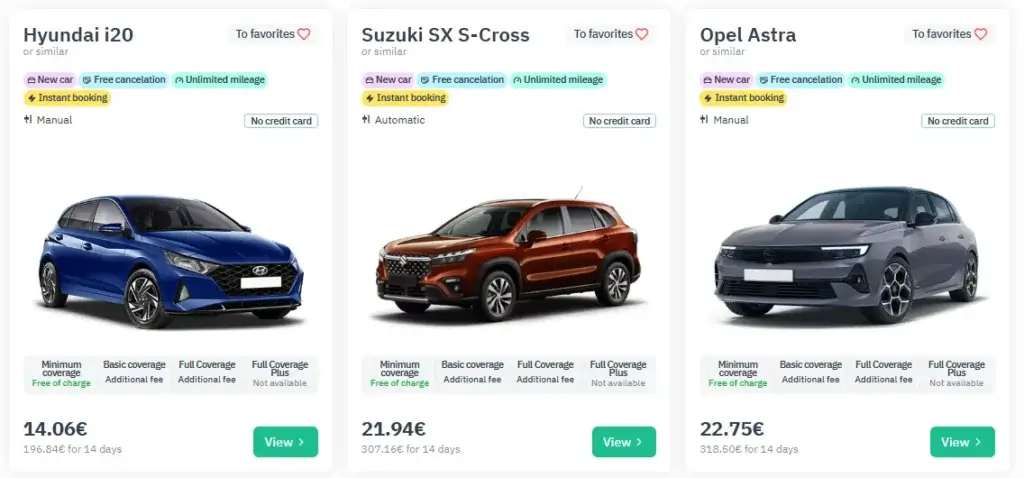
Image Credit: Localrent
Localrent.com is a travel-friendly car rental marketplace that connects travelers with local, independent rental companies instead of large corporate brands. Think of it as a bridge between tourists and reliable small car rental businesses in countries across Europe, Asia, and the Middle East. Unlike traditional rental platforms that rely on standardized fleets and rigid policies, Localrent focuses on personalized service, transparent pricing, and real car photos meaning you know exactly what you’re renting before you arrive.
The platform is well-organized, simple to use, and trusted by thousands of travelers seeking a more flexible alternative to large agencies like Hertz, Sixt, or Europcar. Each car listing includes the vehicle’s exact details, clear rental requirements, deposit information, insurance options, and host reviews. Because Localrent manually verifies all providers, travelers feel more secure knowing they’re dealing with vetted, trustworthy companies.
Localrent has become especially popular in destinations where corporate prices are high or vehicle availability is limited. By collaborating with small rental companies, the platform often offers better prices, less paperwork, faster responses, and more flexible terms. Many hosts even provide hotel delivery, airport meet-ups, or customized arrangements something big rental companies rarely offer.
Pros of Using Localrent.com
1. Transparent, Honest Pricing
Localrent is known for straightforward pricing. What you see on the booking page is typically what you pay no surprise insurance add-ons, no hidden airport fees, no forced upgrades at pickup. Travelers appreciate this clarity, especially when compared to big rental desks where the final price often doubles.
2. Real Photos of Actual Cars
Unlike corporate agencies that assign car “categories,” Localrent listings usually show the exact car you will receive. This reduces confusion and ensures you know the model, condition, mileage, and features in advance.
3. Supports Local Businesses
Renting through Localrent helps small, local companies compete with international chains. You’re supporting real people rather than corporations, and service quality often feels more personal and accommodating.
4. Lower Deposits
Corporate rental companies often require €800–€1,500 deposits. Localrent providers typically offer much lower deposits sometimes even no deposit at all, depending on insurance.
5. Flexible Pickup & Drop-off Options
Local providers are usually willing to:
- Deliver cars to hotels
- Meet at airports
- Adjust pickup times
- Allow earlier or later returns
This flexibility is a huge perk for travelers on tight schedules.
6. Friendly Local Customer Service
With Localrent, you speak directly to the provider not a faceless call center. Local hosts are often quick to respond, helpful, and more willing to solve small issues.
7. Great Availability During High Season
During peak travel seasons, big brands sell out quickly. Localrent often still has availability because it draws from a wide range of small suppliers.
Cons of Using Localrent.com
1. Car Quality Varies by Provider
Because Localrent works with many independent businesses, car conditions can vary. While most hosts maintain their vehicles well, some older cars may show signs of wear compared to corporate fleets that buy new cars every year.
2. Fewer Luxury or Brand-New Vehicles
Although Localrent offers luxury cars, the selection is smaller than large agencies with massive fleets. Travelers seeking brand-new, high-end models may have more limited options.
3. Airport Delivery Might Cost Extra
While many hosts offer airport pickup, some charge small fees since they travel from nearby cities or towns.
Why Travelers Prefer It Over Traditional Rental Agencies
Travelers often choose Localrent.com over major international rental companies because the experience feels more transparent, more personal, and ultimately more budget-friendly. One of the biggest frustrations with traditional agencies is the never-ending list of hidden fees. You book a car at a great price online, only to arrive at the counter and face additional charges for insurance, mileage, deposits, fuel policies, second drivers, and even mandatory fees that were never mentioned. Localrent reduces this stress by clearly listing all costs upfront so there are no last-minute surprises.
Another reason travelers gravitate toward Localrent is the ability to communicate directly with the car provider. Instead of dealing with call centers and automated customer service systems, you can message the local owner, ask questions, negotiate delivery options, and confirm details before the trip. This creates a sense of trust and removes the uncertainty many people feel when renting abroad.
Localrent also provides noticeably more flexibility. Traditional companies often enforce strict pickup and drop-off times, rigid fuel policies, and high penalties for minor delays. Local providers tend to be far more accommodating many even offer hotel delivery, flexible timing, and simple damage policies.
And then there’s pricing. Localrent vehicles are often significantly cheaper than those offered by large corporate brands. Because local companies operate with lower overheads, you’re not paying for flashy offices or corporate staff. Instead, you get a fair price that reflects the real value of the car and service.
In short, travelers prefer Localrent because it removes all the stress, confusion, and rigidity of mainstream rental companies. It offers transparency, better service, direct communication, and often better cars all while supporting local businesses.
Benefits of Renting a Car in Austria
Image Credit: Leonardo AI
Flexibility for Road Trips
Renting a car in Austria gives you a level of freedom that public transportation simply can’t match. While trains and buses are efficient, they lock you into fixed schedules and predetermined routes. With your own car, every minute of your trip becomes yours to control. Want to stop for photos along the Grossglockner High Alpine Road? Feel like taking a spontaneous detour to a lakeside village? Curious about a tiny mountain café you spotted on the way? Having a rental car means you can do all of that without rushing or waiting.
Austria’s road infrastructure is one of the best in Europe. Highways are smooth, well-marked, and scenic. Rural routes offer breathtaking views of mountains, lakes, vineyards, and charming towns. Whether you’re exploring the elegant streets of Vienna, the baroque beauty of Salzburg, or the dramatic Alpine landscapes of Tyrol, a rental car turns travel into an experience rather than a chore.
Flexibility also matters when traveling with family or groups. Kids can nap in the backseat, luggage stays secure in the trunk, and you can stop whenever needed. Long travel days instantly become more comfortable. And unlike buses or trains, you’re not restricted by tickets, connections, or last-minute delays.
Most travelers who rent a car in Austria say the same thing afterward: it changed the entire trip. It made everything more enjoyable, more relaxed, and more immersive. A rental car transforms your Austrian adventure from a checklist into a journey letting you explore the country in your own rhythm and truly enjoy the moment.
Access to Hidden Gems
Austria is full of world-famous highlights Vienna’s museums, Salzburg’s old town, and Innsbruck’s snowy peaks but some of the country’s most magical places lie beyond public transport routes. With a rental car, you gain access to the real Austria: the places locals love and travelers rarely reach.
Take the Salzkammergut region, for example. While Hallstatt is crowded and accessible, nearby spots like Gosausee, Altaussee, or the tiny village of Traunkirchen offer postcard-perfect scenery without the tourist chaos. With a car, you can explore all of them in a single day.
The same applies to the Austrian Alps. Some of the most breathtaking mountain passes like the Grossglockner High Alpine Road or the Silvretta Alpine Route are impossible to experience by train. These panoramic drives are the kind of moments people remember for a lifetime.
You can also explore hidden waterfalls, hiking spots, lakes, viewpoints, castles, and villages that don’t appear in typical tour brochures. Austria is a country full of treasures tucked away between valleys and forests, and a car lets you reach them easily.
Even in major cities, having a car expands your options. You can leave Vienna for beautiful vineyard towns like Gumpoldskirchen or take a short drive to the Vienna Woods for hiking. In Salzburg, you can escape the crowds by driving to Filzmoos or Ramsau am Dachstein, two stunning alpine villages.
Simply put, a rental car unlocks parts of Austria that trains never reach. If you want to experience more than the “Instagram must-sees,” driving is the key.
Better Value for Groups & Families
For families, couples traveling with luggage, or groups of friends, a rental car in Austria can be significantly more cost-effective than using public transportation. Train tickets add up quickly especially during busy seasons when prices spike. For example, a family of four traveling between cities could easily spend hundreds of euros just on train fares. With a rental car, the cost is fixed, predictable, and often cheaper.
You also save money on convenience. No need to pay for taxis from stations, no need to lug bags around platforms, and no need to pay extra for seat reservations or last-minute timetable changes. Everything goes in the trunk, and you travel door-to-door on your own schedule.
Food expenses often go down too. With a car, you can stop at supermarkets or local markets, pack snacks, or enjoy scenic roadside meals instead of relying on pricey station restaurants. You can even explore affordable towns instead of staying in expensive city centers since driving makes it easy to go anywhere.
Families especially appreciate the comfort factor. Kids can sleep, listen to music, or enjoy the view without disturbing others. You can take breaks whenever needed, adjust the temperature, and create a relaxed atmosphere.
For groups, splitting the rental cost makes it even more economical. Many travelers discover that renting a spacious SUV or van ends up cheaper than buying 4–6 train tickets for each journey.
In short, if you’re traveling with others, a rental car in Austria offers comfort, flexibility, and surprisingly great value.
Requirements for Renting a Car in Austria
Age Requirements
Austria’s age rules for renting a car are relatively straightforward, but they can vary depending on the rental provider. In general, most companies including those on Localrent.com require drivers to be at least 21 years old. However, some vehicles (especially premium models, large SUVs, or vans) may require drivers to be 23 or even 25.
Younger drivers often face additional fees known as “young driver surcharges.” These are common in Europe, and Austria is no exception. While Localrent’s local providers tend to be more flexible, larger companies can charge anywhere from €10–€25 per day for drivers under a certain age.
There is usually an upper age limit as well commonly around 70–75 years old. This doesn’t mean older travelers can’t rent a car, but they may need to provide additional documentation such as a medical statement or proof of driving competency, depending on the rental company’s policies.
Another factor is driving experience. Most providers require at least one year of driving experience, though some may demand two years for higher-end vehicles.
To avoid surprises, it’s always wise to check the specific age rules listed on the Localrent.com vehicle page. Because each car is listed by a local provider, policies can vary but they’re always clearly displayed.
Types of Cars Available on Localrent.com
Image Credit: Localrent
Economy
Economy cars are among the most popular options on Localrent.com, especially for travelers who want affordability, efficiency, and easy maneuverability in Austria’s cities. These compact vehicles are perfect for solo travelers, couples, or small groups who plan to explore urban areas like Vienna, Salzburg, Graz, or Innsbruck. Their smaller size makes parking much simpler, especially in older town centers where streets can be narrow and parking garages tight. Despite their compact build, modern economy cars are surprisingly comfortable and often come equipped with air conditioning, Bluetooth connectivity, and efficient fuel-saving engines.
One of the biggest advantages of choosing an economy car is fuel efficiency. Austria has excellent fuel quality, but prices can be high compared to some other European countries. Economy cars sip fuel, meaning you can travel long distances through breathtaking Alpine landscapes without worrying about frequent stops at petrol stations. Whether you’re driving from Vienna to Salzburg or completing a full loop through Hallstatt, Zell am See, and the Tyrol region, these cars offer an affordable way to see a lot without blowing your budget.
Economy cars also appeal to travelers looking for predictable performance and simplicity. They’re easy to drive, easy to park, and perfect for stress-free holiday travel. Even on Austria’s highways, which are smooth and extremely well maintained, a small car performs efficiently and comfortably. For road trips that don’t involve steep mountain passes or winter conditions, economy cars provide everything you need for a memorable journey.
Localrent.com features real photos of the economy cars listed by local providers, so you know exactly what to expect. What you see is what you get no surprises, no generic fleet images, and no last-minute car category switches at pickup.
SUVs
SUVs on Localrent.com are ideal for travelers who want extra power, space, and comfort particularly those planning to explore Austria’s mountainous or rural regions. The Austrian Alps are full of winding roads, steep passes, and scenic viewpoints that are easier to reach with a vehicle designed for elevation changes. If you plan to visit places like the Grossglockner High Alpine Road, the Silvretta Pass, or remote alpine valleys, an SUV gives you added stability and confidence.
Families and groups also benefit from the generous space SUVs offer. With roomy interiors, large trunks, and comfortable seating, long drives become smoother and less cramped. It’s much easier to store luggage, sports equipment, or winter gear, making SUVs the perfect choice for ski trips to destinations like Innsbruck, Kitzbühel, or Ischgl.
Another key advantage is safety. SUVs generally come with advanced safety features such as improved traction control, winter driving packages, stronger braking systems, and elevated seating positions that offer better visibility. Many local Austrian hosts equip their SUVs with high-quality winter tires essential for snowy conditions between November and March.
Despite their size, modern SUVs are surprisingly fuel-efficient thanks to newer hybrid options and eco-boost engines. On Localrent, you can browse detailed descriptions of each SUV and choose based on your preferred features, seating capacity, fuel type, and gearbox.
If you want comfort, power, and versatility for an Austrian adventure, an SUV is an excellent choice.
Luxury Vehicles
Luxury vehicles listed on Localrent.com are perfect for travelers who want to combine performance with style while exploring Austria. These cars bring an elevated travel experience smooth handling, premium interiors, advanced technology, and the kind of comfort that makes every journey feel special. Popular options include BMW, Mercedes, Audi, Porsche, and other high-end European brands renowned for both aesthetics and engineering excellence.
Many travelers choose luxury cars for romantic trips, business travel, or simply because they enjoy the feeling of driving something exceptional. Austria’s scenic routes are some of the most beautiful in Europe, and experiencing them in a high-performance car adds an extra layer of enjoyment. Whether you’re cruising through Vienna’s elegant boulevards, driving along the Danube Valley, or discovering mountain towns with panoramic views, a luxury vehicle elevates the entire experience.
Luxury rentals on Localrent often come with real photos, detailed feature lists, and personalized service from local providers. You get clarity about what you’re renting no generic categories. These cars are typically well-maintained, meticulously cleaned, and equipped with navigation systems, heated seating, premium sound, and advanced safety features. If you appreciate comfort and precision, you’ll instantly notice the difference.
While luxury car rentals are more expensive than standard vehicles, Localrent’s competitive pricing often makes them far more affordable than renting from big international agencies. You get the same or better quality for significantly less, with more flexible terms and a more personalized rental experience.
Vans & Multi-Seaters
Vans and multi-seater vehicles on Localrent.com are a top choice for large families, group travelers, or those planning long trips with a lot of luggage. Austria’s scenic routes are unforgettable, and sharing them with friends or loved ones makes the experience even richer. These vehicles typically offer seating for 7 to 9 passengers, along with spacious cargo areas for bags, equipment, strollers, or ski gear.
One major advantage is cost savings. Splitting the rental fee among several people often makes vans more economical than buying multiple train tickets or renting two smaller cars. You also have the convenience of traveling together instead of coordinating separate transportation.
Vans are designed for comfort on long journeys. Wide doors, comfortable seating, climate control, and extra legroom make hours on the road feel easy. Whether you’re touring Austria’s lakes region, visiting vineyards near Vienna, or driving from Salzburg into the Bavarian Alps, vans offer a relaxed, social, and practical way to travel.
Localrent’s local providers often offer unique configurations luxury minivans, budget-friendly models, or fully equipped vehicles with entertainment systems and navigation. Real photos ensure you know exactly what you’re getting.
Vans are also especially useful for winter travel. Ski holidays often require transporting bulky equipment, winter clothing, and large bags. A van ensures everything fits without sacrificing comfort.
In short, vans and multi-seaters offer unbeatable convenience, comfort, and value for group travel in Austria.
Costs of Car Rental in Austria
Average Prices by Car Type
Car rental prices in Austria vary depending on the vehicle type, rental duration, season, and location. On Localrent.com, costs are typically lower than international companies due to reduced overhead and direct pricing from local providers.
Here’s a realistic overview of average daily prices:
- Economy cars: €25–€45 per day
- Compact & mid-size: €35–€60 per day
- SUVs: €55–€120 per day
- Luxury vehicles: €90–€250+ per day
- Vans & multi-seaters: €70–€150 per day
Prices rise significantly during peak seasons summer, Christmas markets, and winter ski season. Booking early can secure much lower rates, especially for SUVs and vans that sell out quickly.
Localrent.com shows full transparency in pricing. The amount displayed includes all mandatory costs, so you’re not blindsided by surprise fees at pickup. Because you’re renting from local businesses, you’re also avoiding airport fees, franchise fees, and inflated insurance charges common among big corporate agencies.
Weekly rentals often come with discounted rates. Many travelers find that renting for 7 to 10 days gives excellent value, especially for long scenic routes or multi-city exploration.
Overall, renting a car in Austria provides excellent value especially when compared to the high cost of cross-country train travel, taxis, or guided tours.
Additional Fees to Expect
Although Localrent.com is transparent with pricing, it’s important to understand the possible extra fees you might encounter so you can plan your budget clearly.
Here are the most common ones:
1. Deposit
Most providers require a security deposit, typically:
- €100–€500 for standard cars
- €500–€1,500 for luxury vehicles
Localrent allows you to filter vehicles based on deposit amount.
2. Fuel Policies
Many local providers use:
- Full-to-full (best option)
- Same-level return
You only pay for the fuel you actually use.
3. Additional Drivers
Usually €10–€30 total not daily like big agencies.
4. Cross-border travel
Austria is surrounded by incredible destinations such as Germany, Italy, Slovakia, Czech Republic, and Slovenia. Some providers charge €20–€50 to allow border travel.
5. Late pickup/return
Local providers tend to be flexible, but after-hours fees may apply.
6. Winter equipment
From November to April, winter tires may be mandatory. Local providers often include them for free, unlike corporate companies that charge extra.
7. Child seats
Typically €5–€10 per day.
Knowing these fees helps you prepare and avoid surprises during your trip.
Insurance Costs
Insurance costs vary depending on the vehicle and coverage level. On Localrent.com, insurance is clearer and more affordable than the inflated packages offered by big brands.
Here’s an overview of typical costs:
- Basic coverage (included): €0
- CDW (Collision Damage Waiver): €5–€15 per day
- Full coverage / Zero deductible: €10–€25 per day
Luxury cars may have higher insurance prices. Always check the insurance section before booking.
The benefit of renting through Localrent is transparency. You see exactly what is covered, what the deductible is, and what optional upgrades are available.
Insurance Options Explained
CDW
Collision Damage Waiver, or CDW, reduces your financial responsibility if the car is damaged during your rental period. Without CDW, you may be liable for the full value of the vehicle. With CDW, your responsibility is limited to a set deductible usually between €200 and €900, depending on the car.
CDW typically does not cover:
- Tires
- Windows
- Undercarriage
- Interior damage
- Negligence (e.g., driving off-road)
Localrent.com providers clearly specify what CDW includes and excludes. CDW is usually enough for confident drivers who plan to stick to well-paved Austrian roads.
Full Coverage
Full coverage, often called “zero deductible insurance,” offers the highest level of protection. If something happens scratches, dents, minor damage you pay nothing as long as it falls within the policy. This is ideal for travelers who want peace of mind, especially when parking in busy cities or driving through narrow mountain roads.
Full coverage often includes:
- Body damage
- Scratch protection
- Tire and windshield protection
- Theft protection
It’s the most worry-free option and highly recommended for first-time visitors driving in Austria.
Third-Party Liability
Third-party liability insurance covers damage or injury caused to others in the event of an accident. This is legally required in Austria and is included automatically with all rentals. It does not protect you or the rental car that’s what CDW and full coverage are for.
Austria has high minimum liability requirements, so you’re well protected if an incident occurs.
What’s Actually Worth Paying For?
For most travelers, the best insurance choice is:
- CDW + tire/windshield protection
or - Full coverage with zero deductible
Full coverage is especially worth it if:
- You’re driving in the Alps
- You’re unfamiliar with Austrian roads
- You plan to park in large city centers
- You want complete peace of mind
Skipping insurance entirely is not recommended due to the high cost of vehicle repairs in Austria.
Driving Rules You Must Know in Austria
Speed Limits
Austria enforces speed limits strictly, with frequent speed cameras and hefty fines. Here are the standard limits:
- Urban areas: 50 km/h
- Rural roads: 100 km/h
- Motorways (Autobahn): 130 km/h
In bad weather, slow down even if signs allow higher speed. Alpine roads often require lower speeds due to tight curves and steep gradients.
Speed cameras are common in tunnels, near schools, and on major highways. Fines can be mailed internationally and are enforceable, so it’s best to drive responsibly.
Road Signs
Austrian road signs follow European standards. Some useful ones:
- Blue signs: Information (motorway routes, directions)
- White signs: Local roads, towns
- Red circle: Prohibition (speed limits, restrictions)
- Red triangle: Warnings (curves, animals, slippery roads)
Pay attention to:
- “Einbahn” → One-way street
- “Kurzparkzone” → Short-term parking zone
- “Anlieger frei” → Residents only
Signs for roundabouts and priority roads are also common.
Seatbelt & Safety Laws
Seatbelts are mandatory for all passengers, both front and back. Fines apply even if a single passenger is unbuckled. Children under 150 cm require appropriate child seats. Localrent providers usually offer them for a small fee.
Using a phone while driving is illegal unless you’re using hands-free mode. Police enforce this strictly.
Headlights should be on in tunnels, and winter tires are required between November and April.
Alcohol Limits
Austria has strict drink-driving laws. The legal blood alcohol limit is:
- 0.05% for experienced drivers
- 0.01% for new drivers (less than 2 years of experience)
Penalties include heavy fines, license suspension, and even vehicle confiscation. Austria’s scenic taverns and wine regions are tempting, but if you plan to drink, choose a designated driver.
Toll Roads & Vignettes
Motorway Vignette Requirements
Driving on Austria’s motorways requires a vignette, a mandatory toll sticker or digital permit that allows you to use all major highways legally. Unlike some countries that use toll booths, Austria relies on this simple system to keep traffic flowing without delays. If your rental car doesn’t already include a vignette, you must purchase one before entering any motorway. The rule is enforced strictly, and cameras automatically check whether your vehicle has a valid sticker or digital registration.
Most local rental companies, especially those on Localrent.com, provide cars already equipped with a vignette. This is a convenient perk because it saves time and prevents accidental violations. However, it’s essential to double-check with the provider before starting your trip. Ask whether the vignette is valid, when it expires, and whether it’s a sticker placed on the windshield or a digital version registered to the car’s license plate.
Austria offers several vignette durations 10 days, 2 months, and 1 year. For most tourists, the 10-day version is enough, especially if you’re traveling within a short holiday window. The vignette covers all standard motorways but does not apply to certain special Alpine roads, tunnels, or scenic passes that charge their own separate tolls.
Because Austrian roads are exceptionally well maintained, the vignette ensures you’re contributing to upkeep while enjoying unlimited motorway access. It’s simple, affordable, and absolutely essential for anyone planning to drive around the country.
Where to Buy the Vignette
Purchasing a vignette is easy and can be done in several places, both before and after arriving in Austria. One of the most convenient spots is any gas station near the border, whether you’re entering from Germany, Italy, Switzerland, Slovakia, or the Czech Republic. Almost every filling station along border regions sells vignettes, often with dedicated counters displaying the pricing and duration options clearly.
You can also buy the vignette inside Austria at petrol stations, post offices, convenience stores, and select retail shops. Staff members are used to helping tourists, so even if you’re unsure about the duration or placement, they’ll guide you. For digital-savvy travelers, Austria also offers an online vignette, which is linked to your car’s license plate. This is especially useful for rentals because you don’t need to stick anything on the windshield. However, digital vignettes purchased online require a processing period before activation typically 18 days due to EU consumer protection laws.
Another option is purchasing the vignette at border kiosks or vending machines. These machines allow you to choose the duration, pay electronically, and receive the sticker instantly. If you’re renting from a local company through Localrent.com, many hosts will let you know whether a valid vignette is already included. If not, they often guide you to the nearest place to buy one or provide instructions on how to obtain one quickly before you hit the motorway.
No matter where you buy it, ensure it’s affixed (if using a sticker) in the correct place on the windshield usually the top left corner. Incorrect placement may result in fines even if the vignette is valid.
Fines for Not Having One
Austria takes toll compliance very seriously, and the fines for driving without a vignette can be quite steep. Highway cameras scan license plates automatically, so there’s no escaping detection. If you’re caught without a vignette, expect to pay an immediate fine usually around €120 for missing stickers and up to €300 or more if you ignore or fail to pay on time.
For rental cars, fines are typically mailed to the rental provider, who will then forward the cost to you along with administrative fees for processing the violation. These fees can add another €20–€50 to your total, making the oversight even more expensive.
Additionally, if the vignette is incorrectly placed such as on the wrong part of the windshield or not clearly visible, you can still be fined. Digital vignettes eliminate this issue, but with sticker versions, proper placement is crucial.
Fines can also apply if you knowingly use an expired vignette. Since validity dates are printed on the sticker, authorities expect drivers to check them regularly.
To avoid fines:
- Always confirm with your Localrent provider whether the car already has a valid vignette.
- Check expiration dates if renting for longer stays.
- Avoid motorways until you have purchased and applied a vignette.
- If unsure, choose local roads until everything is confirmed.
The vignettes are inexpensive compared to fines, so it’s always better to buy one than risk penalties.
Parking in Austria
Street Parking
Street parking regulations in Austria are highly organized but can be confusing if you’re not familiar with local rules. In most major cities especially Vienna, Salzburg, and Innsbruck street parking is regulated through “Kurzparkzonen,” or short-term zones. These areas require a parking ticket and limit how long you can stay, typically 30 minutes to 2 hours. Parking hours are usually active on weekdays and Saturdays, though this varies by district.
To park legally, you need to purchase a parking ticket from street machines, tobacco shops (“Tabak” stores), or apps like “Handyparken,” which allow you to pay digitally. The tickets must be displayed on the dashboard unless using an app. The biggest challenge for tourists is deciphering signs that indicate specific hours, durations, or exceptions. In Vienna, many central districts are entirely short-term zones, so free parking is rare.
Residential streets often show signs like “Anrainerparken,” meaning parking is reserved only for residents with permits. Parking here without authorization almost guarantees a fine or even towing.
Outside major cities, street parking becomes easier. Many towns offer free parking zones or low-cost areas near attractions. However, always check for blue markings on curbs or signs indicating time limits.
Tourists should avoid guessing. Austrian parking enforcement is strict, and penalties are enforced reliably. If in doubt, choose a parking garage or Park & Ride facility to save time and avoid frustration.
Common Mistakes to Avoid When Renting a Car in Austria
Renting a car in Austria is very straightforward, but small mistakes can turn a perfect trip into an expensive headache. One of the biggest mistakes travelers make is not checking whether the car already has a valid Austrian motorway vignette. If the vignette has expired or is missing, the fines are immediate and costly. Another common issue is misunderstanding fuel policies. Many travelers assume the “full-to-full” rule applies everywhere, but some local providers use “same level return.” Returning the vehicle with less fuel than provided can lead to unexpected charges.
Another frequent oversight is not reading the rental conditions carefully especially regarding insurance, deposits, mileage limits, and out-of-country travel. Austria borders several popular destinations such as Germany, Italy, Switzerland, Slovenia, and the Czech Republic. Not all providers allow border crossings, and those that do may require a small fee. Driving out of the country without permission may void your insurance entirely.
Parking mistakes also cause trouble. Austria has strict parking zones, especially in Vienna and Salzburg. Parking in a residential zone or forgetting to display a ticket can result in fines or towing. Many travelers also assume winter equipment like snow chains or winter tires is provided automatically, but this varies by provider.
Finally, rushing the pickup inspection or worse, skipping it can lead to disputes later. Always take photos of the car’s condition before driving away, including tires, windshield, bumpers, and interior. It protects you from being blamed for previous damage.
Final Tips for a Smooth Trip
Before hitting Austria’s scenic highways and mountain passes, take time to prepare. Start by familiarizing yourself with local road signs and speed limits. Austrian roads are extremely well maintained, but enforcement is strict. Speed cameras are frequent, and fines for even small violations can be steep. If you’re driving through rural or Alpine areas, always check weather conditions. Rain and snow can change road surfaces quickly, especially in winter.
Plan your parking strategy in big cities. In Vienna, Salzburg, and Innsbruck, it’s often easier and cheaper to use Park & Ride facilities rather than navigating crowded city centers. For mountain trips, fill up your tank ahead of time remote areas may have fewer gas stations.
Use offline maps or download your route on Google Maps. Mountain tunnels and valleys occasionally interfere with signals, and having a backup ensures you stay on track. Keep some cash on hand for small tolls, parking meters, or village shops.
Lastly, communicate openly with your Localrent.com provider. Local hosts are usually friendly, flexible, and knowledgeable. They can recommend the best routes, advise on winter driving, and clarify any rental policies.
Conclusion
Renting a car in Austria gives you freedom that no other transportation method can match. From the sweeping Alpine landscapes to peaceful lakeside villages and iconic cultural cities, driving lets you experience Austria at your own pace. Platforms like Localrent.com make the process easier, more transparent, and more personalized by connecting you with trusted local providers who care about your travel experience.
Whether you’re planning a scenic mountain retreat, a family road trip, or a romantic journey through Austria’s wine routes, the right rental car will transform your adventure. By following the guidelines in this guide checking requirements, understanding insurance, preparing for tolls, and avoiding common mistakes you’ll enjoy a smooth, unforgettable driving experience.
Austria is a country designed for exploration, and with your own vehicle, every day becomes a new discovery.
FAQs
1. Do I need an International Driving Permit to rent a car in Austria?
If your license is in English or uses Roman characters, you generally do not. If it’s in another script (Arabic, Chinese, Cyrillic), an IDP is recommended.
2. Are winter tires required in Austria?
Yes, from November to April, winter tires are mandatory. Most Localrent providers include them at no extra cost.
3. Can I drive my Austrian rental car to Italy or Germany?
Often yes, but you must confirm with your rental provider. Some may charge a small cross-border fee.
4. Is parking difficult in Austrian cities?
In major cities, yes. It’s often better to use Park & Ride locations. Smaller towns are easier and cheaper.
5. Are Austrian roads safe in winter?
Very safe Austria maintains its roads well. However, snow chains may be required in heavy-snow regions, and caution is essential.