
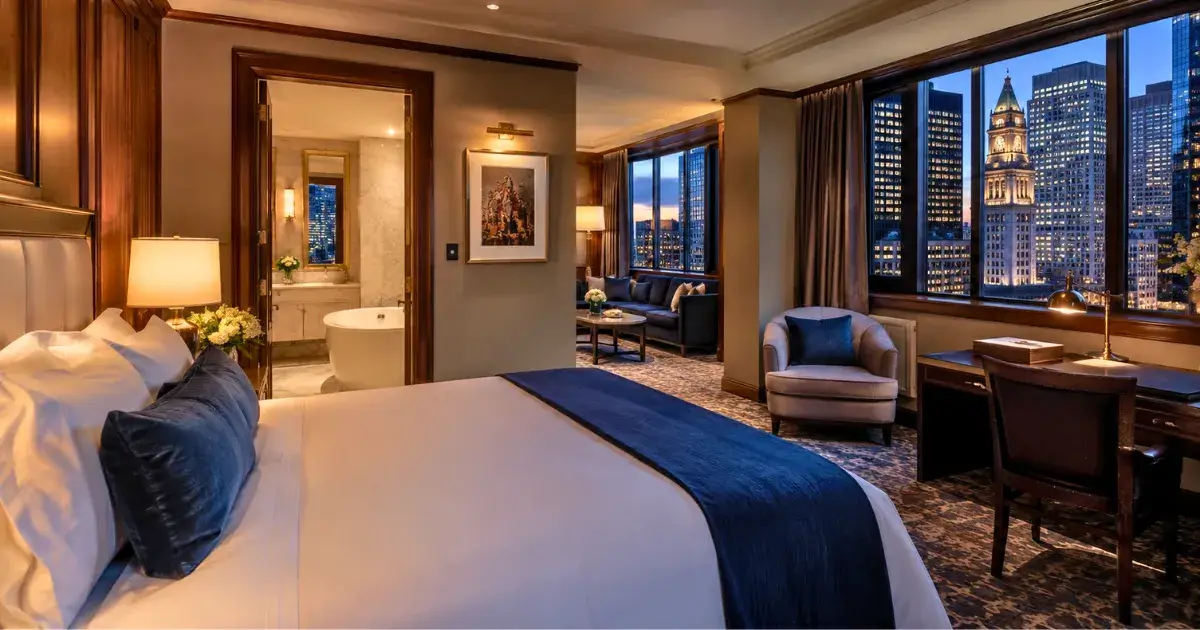
Boston feels like a city pulled straight from the pages of American history, yet it moves with the energy of a modern cultural capital. Staying in a New England Boston hotel is not just about booking a room for the night, it’s about immersing yourself in cobblestone streets, waterfront scenery, colonial architecture, and one of the most recognizable hospitality cultures in the United States. From elegant luxury hotels overlooking Boston Harbor to cozy boutique inns tucked into Beacon Hill, the city offers something for every traveler and every budget.
What makes Boston stand apart from other American cities is the way it balances old-world charm with contemporary sophistication. One moment you’re walking through centuries-old neighborhoods where lantern-style streetlights glow in the evening, and the next you’re sipping craft cocktails in a rooftop lounge with skyline views. Hotels in Boston reflect this exact personality. Many properties are built inside restored historic buildings, while others showcase sleek, modern interiors inspired by New England’s maritime identity.
Travelers often choose Boston for different reasons. Some come to explore prestigious universities like Harvard and MIT. Others arrive for business conferences, Red Sox games, seafood dining, or the colorful autumn scenery that blankets New England every fall. Because of this wide appeal, the hotel industry in Boston has evolved dramatically over the years. Today, visitors can find everything from five-star luxury accommodations to affordable stays near subway lines and major attractions.
The demand for Boston hotels continues to grow steadily. According to tourism data from the Greater Boston Convention & Visitors Bureau, millions of travelers visit the city annually, making hospitality one of the region’s strongest industries. Hotels compete not only through comfort but also through experience-driven amenities such as harbor-view restaurants, curated local art, wellness spas, and personalized concierge services.
Whether you’re planning your first visit or returning for another New England adventure, understanding the city’s hotel landscape can help you make the most of your trip. The right hotel can completely transform your Boston experience, turning a simple vacation into a memorable journey filled with history, comfort, and unmistakable New England character.
Why Boston Hotels Offer a Unique New England Experience
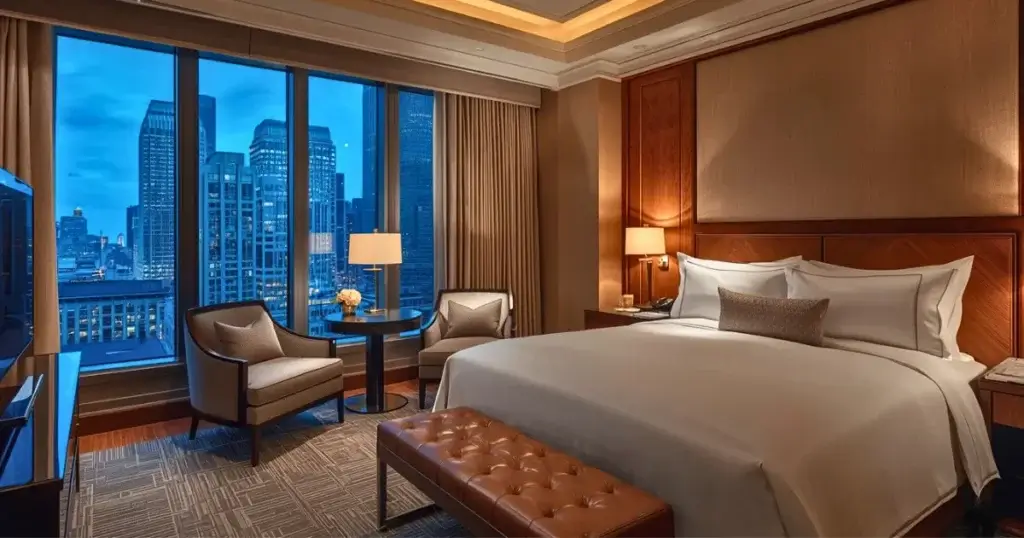
Image Credit: AI Generated
Boston hotels carry a personality that feels dramatically different from accommodations in many other major American cities. You can sense it the moment you walk through the doors of a historic property lined with brick walls, antique décor, and polished wood interiors. The atmosphere often feels warm, intellectual, and deeply rooted in regional tradition. Unlike destinations dominated by flashy tourism, Boston embraces authenticity. Hotels here often celebrate local heritage instead of trying to imitate generic luxury trends.
One reason travelers love staying in Boston is the city’s architectural diversity. Many hotels occupy renovated historic buildings that once served as warehouses, banks, or private residences centuries ago. These properties preserve original design elements while incorporating modern conveniences like smart-room technology and luxury bedding. The result feels almost cinematic, like stepping into a time machine that also happens to have high-speed Wi-Fi and rooftop dining.
The Blend of Colonial History and Modern Luxury
Some of Boston’s finest hotels masterfully combine colonial-era elegance with contemporary hospitality standards. Imagine staying inside a restored 19th-century building while enjoying heated marble bathrooms, spa treatments, and panoramic harbor views. That contrast defines Boston’s luxury hospitality scene. Historic charm acts as the foundation, while modern comfort elevates the experience for today’s traveler.
Luxury hotels in neighborhoods like Back Bay and Downtown Crossing often incorporate design themes inspired by New England’s maritime roots. Nautical color palettes, brass fixtures, navy blue accents, and local artwork appear throughout many hotel interiors. Even the dining menus frequently highlight regional favorites such as lobster rolls, clam chowder, oysters, and maple-inspired desserts.
Travelers increasingly value experiential accommodations over standardized stays. Boston excels at delivering exactly that. Guests are not just booking square footage they’re booking atmosphere, storytelling, and connection to the city’s identity. Walking through a Boston hotel can feel like exploring a living museum where every hallway whispers stories from America’s early days.
What Makes New England Hospitality Different
New England hospitality tends to feel understated yet deeply thoughtful. Instead of excessive extravagance, Boston hotels often focus on personalized service, refined comfort, and local authenticity. Staff members frequently provide insider recommendations for hidden cafes, historic tours, or waterfront walks that tourists might otherwise miss.
There’s also a strong emphasis on seasonal experiences. During autumn, many hotels decorate lobbies with pumpkins, warm lighting, and rustic accents that celebrate New England fall traditions. Winter brings cozy fireplaces and holiday-themed afternoon teas, while summer highlights rooftop bars and harbor cruises.
This regional hospitality style reflects the broader New England personality: reserved on the surface but genuinely welcoming underneath. Guests often remember small details a handwritten welcome note, locally sourced breakfast ingredients, or staff members who remember their names. These touches create emotional connections that chain hotels in other cities sometimes struggle to replicate.
Best Areas to Stay in Boston
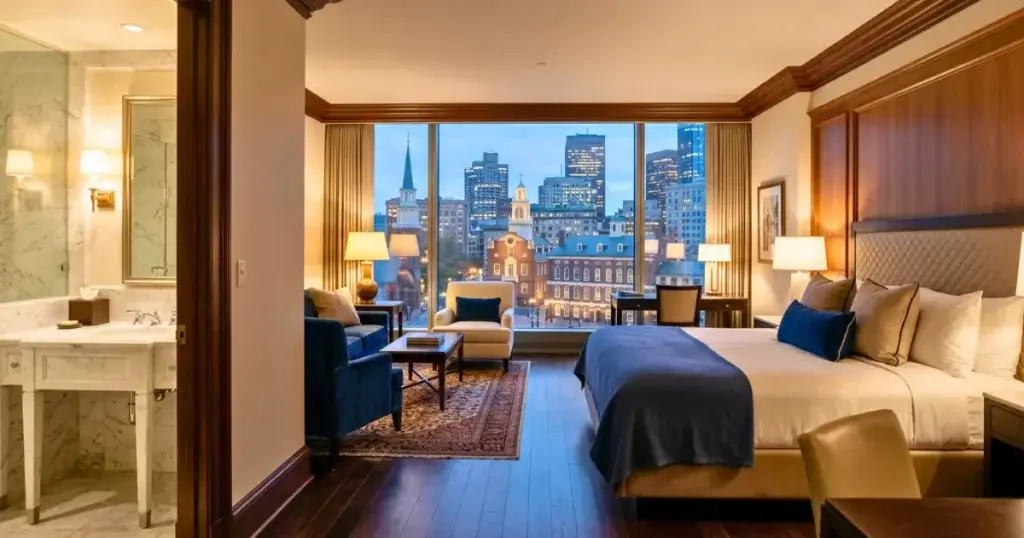
Image Credit: AI Generated
Choosing the right neighborhood can dramatically shape your Boston trip. Each district offers its own atmosphere, attractions, dining scene, and hotel style. Some travelers prioritize walkability and nightlife, while others prefer historic charm or waterfront scenery. Understanding Boston’s most popular hotel districts helps narrow your options quickly.
Downtown Boston
Downtown Boston remains one of the most convenient areas for visitors who want easy access to major attractions. Hotels here place travelers near Quincy Market, the Freedom Trail, Boston Common, and the Financial District. The neighborhood feels energetic throughout the day, filled with office workers, tourists, and street performers.
Many downtown hotels cater to both business and leisure travelers, blending efficiency with upscale amenities. You’ll find sleek high-rise properties featuring rooftop lounges, fitness centers, and conference facilities. Transportation access is another major advantage. Multiple subway lines intersect downtown, making it easy to explore other neighborhoods without relying heavily on taxis or rideshares.
For first-time visitors, downtown often serves as the ideal home base because it provides immediate access to Boston’s historical landmarks. Walking through this district feels like moving through layers of American history while still enjoying the convenience of modern city life.
Back Bay
Back Bay represents Boston’s sophisticated side. Tree-lined streets, elegant brownstones, luxury shopping, and upscale restaurants define the neighborhood’s atmosphere. Hotels in Back Bay often rank among the city’s most luxurious accommodations, attracting travelers seeking refined comfort and stylish surroundings.
The neighborhood centers around Newbury Street and Boylston Street, where visitors can explore designer boutiques, cafés, and cultural attractions. The iconic Boston Public Library and Copley Square also sit nearby, adding intellectual and architectural beauty to the area.
Back Bay hotels frequently emphasize design and exclusivity. Many feature spa facilities, fine dining restaurants, and panoramic city views. Travelers who enjoy polished urban experiences with a touch of European elegance often gravitate toward this neighborhood.
Beacon Hill
Beacon Hill feels like Boston’s postcard-perfect neighborhood. Narrow brick streets, gas lamps, and Federal-style homes create one of the most charming environments in the entire city. Staying here feels intimate and romantic compared to busier districts.
Hotels and inns in Beacon Hill tend to be smaller boutique properties emphasizing character over scale. Guests often appreciate the peaceful atmosphere despite being close to downtown attractions. Walking through Beacon Hill early in the morning feels almost magical, especially during autumn when colorful leaves blanket the sidewalks.
This neighborhood appeals strongly to couples, history lovers, and travelers seeking a quieter experience. Rather than flashy nightlife, Beacon Hill offers timeless beauty and classic New England ambiance.
Seaport District
Boston’s Seaport District showcases the city’s modern transformation. Once dominated by industrial warehouses, the area has evolved into a sleek waterfront destination filled with luxury hotels, tech offices, upscale restaurants, and entertainment venues.
Hotels in the Seaport tend to feature contemporary architecture, minimalist interiors, and impressive harbor views. Rooftop pools and trendy cocktail bars have become signature amenities here. The district also attracts younger travelers and business professionals due to its energetic social scene.
The contrast between historic Boston and futuristic Seaport creates a fascinating dynamic. Travelers staying here enjoy easy waterfront access while remaining connected to the city’s broader attractions through public transportation and walkable pathways.
Types of Hotels You’ll Find in Boston
Boston’s hospitality scene is incredibly diverse, which means travelers rarely struggle to find accommodations that match their budget, style, or travel goals. Whether someone wants old-world elegance, modern luxury, affordable simplicity, or artistic boutique vibes, the city offers an impressive range of choices. The fascinating part is how these hotel categories often blend together. A luxury property may still feel deeply historic, while a boutique hotel might deliver five-star culinary experiences that rival larger resorts.
The city’s tourism growth has encouraged hotel developers to think creatively. Instead of building generic accommodations, many properties now focus on storytelling and localized experiences. Guests are no longer satisfied with a bed and a television. They want atmosphere, personality, and memorable details that connect them to Boston itself. That demand has transformed the hotel landscape into something far more experiential.
Luxury Hotels
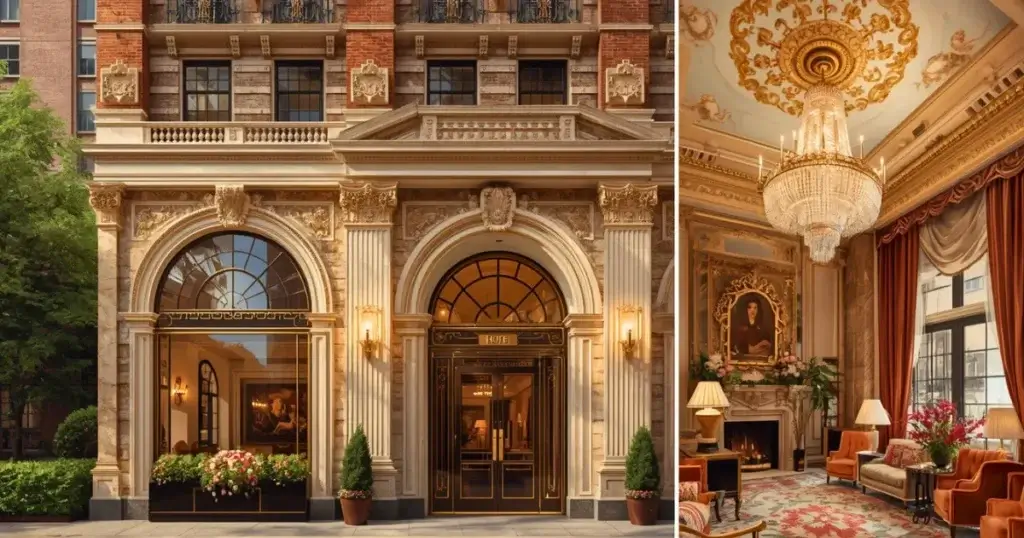
Image Credit: AI Generated
Luxury hotels in Boston compete on sophistication, location, and personalized service. These properties are commonly concentrated in neighborhoods like Back Bay, Downtown, and the Seaport District. Many offer waterfront views, high-end spas, chauffeured transportation, fine dining restaurants, and private concierge services designed to create a seamless travel experience.
The luxury hotel experience in Boston often feels refined rather than flashy. Unlike destinations where extravagance dominates the aesthetic, Boston luxury tends to embrace elegance and heritage. Think velvet furnishings, marble bathrooms, curated art collections, and libraries with fireplaces instead of neon lighting and oversized casino-style glamour. Some properties even incorporate local historical themes into their design, giving guests an authentic connection to New England culture.
Business travelers also contribute heavily to Boston’s luxury market. Because the city hosts countless conferences, university events, and financial meetings, many upscale hotels include advanced business facilities, private meeting rooms, and executive lounges. At the same time, leisure travelers enjoy wellness amenities like rooftop pools, harbor-view yoga classes, and chef-led tasting menus.
Prices for luxury hotels fluctuate dramatically based on season and events. During autumn foliage season or major sporting weekends, premium accommodations can sell out quickly. Booking early becomes especially important if travelers want the best views or suites.
Boutique Hotels
Boutique hotels have become one of Boston’s strongest hospitality trends. These properties focus on individuality, artistic design, and intimate guest experiences rather than massive scale. Most boutique hotels feature fewer rooms than major chain hotels, allowing staff to deliver more personalized service and unique local touches.
Staying in a boutique hotel often feels like staying inside a carefully curated lifestyle magazine. Every detail from the scent in the lobby to the furniture textures appears intentionally designed to create a mood. In Boston, boutique hotels frequently draw inspiration from literature, maritime history, or New England craftsmanship. You may find exposed brick walls, custom-made furniture, local photography, and vintage maps decorating the interiors.
Neighborhoods like Beacon Hill and the South End are particularly popular for boutique accommodations because their historic architecture naturally complements this style of hospitality. Travelers who appreciate aesthetics, quiet luxury, and social spaces tend to prefer boutique properties over larger corporate hotels.
Another appealing aspect is food culture. Boutique hotels in Boston often partner with celebrated local chefs or independent coffee roasters to provide guests with authentic culinary experiences. Instead of generic continental breakfasts, guests might enjoy fresh lobster benedict, artisan pastries, or locally roasted espresso drinks.
Budget-Friendly Accommodations
Boston has a reputation for being expensive, but budget-conscious travelers still have plenty of accommodation options if they plan strategically. Affordable hotels, hostels, and smaller inns are available throughout the city, particularly near transportation lines and outer neighborhoods.
Budget hotels in Boston focus heavily on practicality and location. While they may not offer lavish amenities, many still provide clean rooms, complimentary breakfast, Wi-Fi, and convenient access to subway stations. Travelers who spend most of their day exploring the city often find budget accommodations perfectly adequate.
Location matters enormously when booking affordable hotels. Staying slightly outside the main tourist districts can dramatically reduce nightly costs while still allowing easy access to downtown attractions via the MBTA subway system. Areas like Cambridge, Brookline, or Somerville frequently provide better value without sacrificing convenience.
The rise of younger travelers and digital nomads has also influenced Boston’s affordable lodging scene. Some newer budget hotels now include coworking spaces, communal lounges, and minimalist modern designs that appeal to tech-savvy visitors seeking affordable but stylish experiences.
Historic Inns and Heritage Properties
Few cities in America can rival Boston when it comes to historic accommodations. Many inns and heritage hotels operate inside buildings that date back centuries, giving guests an extraordinary opportunity to experience living history firsthand.
These properties often preserve original architectural features such as wooden beams, antique staircases, fireplaces, and brick facades. Staying in one of these inns feels deeply immersive, especially in neighborhoods like Beacon Hill or near the Freedom Trail. Guests sometimes describe the experience as stepping into another era while still enjoying modern comforts.
Historic properties appeal strongly to travelers who value authenticity and storytelling. Rather than offering standardized rooms, these hotels often provide individually decorated spaces filled with antique furnishings and local artwork. Some even share historical narratives about former residents or famous guests who once stayed there.
The emotional atmosphere inside heritage hotels can be incredibly powerful. There’s something unforgettable about waking up inside a building that has stood through revolutions, economic booms, and centuries of changing American culture. Boston’s historic hospitality scene transforms ordinary travel into something much richer and more meaningful.
Top Features Travelers Look for in a New England Boston Hotel
Modern travelers evaluate hotels differently than they did a decade ago. Comfortable beds and clean bathrooms remain essential, but guests increasingly prioritize experiences, atmosphere, and convenience. Boston hotels have adapted quickly to these changing expectations, introducing features that blend practicality with regional charm.
The best Boston hotels understand that guests want to feel connected to the city rather than isolated inside a generic building. That’s why many accommodations now focus on local culinary partnerships, architectural storytelling, outdoor spaces, and walkability to cultural landmarks.
Waterfront Views and Rooftop Spaces
Boston’s relationship with water defines much of its identity, making waterfront hotel experiences especially desirable. Hotels overlooking Boston Harbor or the Charles River often command premium rates because travelers love waking up to scenic maritime views.
Rooftop spaces have become another major attraction. Many modern Boston hotels now feature rooftop bars, lounges, pools, or observation decks where guests can enjoy panoramic skyline views. During summer evenings, these rooftops transform into lively social hubs filled with both tourists and locals.
There’s an emotional quality to Boston’s waterfront scenery that photographs rarely capture completely. Watching sailboats drift across the harbor at sunset or seeing city lights reflect on the water creates a calming atmosphere that contrasts beautifully with the city’s busy streets.
Hotels recognize this emotional appeal and increasingly design rooms with oversized windows, balconies, and open-air terraces that maximize visual connection to the harbor. Travelers seeking memorable experiences often prioritize these features when selecting accommodations.
Local Seafood Dining and New England Cuisine
Food plays a massive role in Boston’s hotel culture. Travelers often expect authentic New England cuisine as part of their stay, and hotels have responded by investing heavily in culinary excellence.
Seafood remains the star attraction. Lobster rolls, clam chowder, oysters, scallops, and fresh Atlantic fish appear on menus throughout the city. Many upscale hotels collaborate with local fishermen and regional farms to emphasize freshness and sustainability.
Dining inside Boston hotels has evolved beyond convenience. Some hotel restaurants now rank among the city’s top culinary destinations independently of their accommodations. Celebrity chefs, tasting menus, and craft cocktail programs have elevated hotel dining into a major attraction itself.
Travelers increasingly appreciate hotels that showcase local flavors instead of generic international menus. Eating freshly prepared seafood while overlooking the harbor creates a distinctly New England experience that visitors remember long after the trip ends.
Walkability to Attractions
Boston is one of America’s most walkable major cities, and hotel location heavily influences the overall travel experience. Guests consistently prioritize accommodations near attractions such as the Freedom Trail, Fenway Park, Boston Common, and waterfront districts.
Walkability reduces transportation stress while allowing travelers to experience the city organically. Boston’s charm reveals itself best on foot through hidden alleyways, historic courtyards, and local cafés that visitors might miss while using taxis or trains exclusively.
Hotels located within walking distance of key attractions often market this advantage aggressively because travelers value convenience. Being able to step outside and immediately explore the city saves both time and money.
This pedestrian-friendly culture also contributes to Boston’s atmosphere. Streets feel active and alive, filled with students, professionals, tourists, and street musicians. Staying in a centrally located hotel allows guests to participate fully in that vibrant urban rhythm.
Hotel Pricing Trends in Boston
Boston consistently ranks among the more expensive hotel markets in the United States, largely because of its strong tourism industry, world-famous universities, business travel demand, and relatively compact geography. Travelers are often surprised by how quickly hotel prices can rise depending on the season, local events, and neighborhood popularity. Understanding pricing patterns before booking can make a huge difference in both budget and overall travel experience.
One major factor influencing Boston hotel costs is the city’s year-round activity calendar. Unlike some destinations that experience dramatic off-seasons, Boston attracts visitors nearly every month. Students arrive for university events, professionals attend conferences, sports fans flock to Fenway Park, and tourists explore historical attractions regardless of season. This constant demand keeps occupancy levels relatively high throughout the year.
Fall is typically the most expensive period for hotels in Boston. The New England foliage season attracts international travelers in massive numbers, especially during September and October. Hotels in scenic areas like Beacon Hill and Back Bay often raise rates substantially during peak weekends. Travelers hoping to visit during autumn should ideally book accommodations several months in advance to secure better pricing and room availability.
Summer also sees elevated hotel costs due to family vacations, harbor tourism, concerts, and sporting events. Waterfront properties and hotels near tourist hotspots become particularly competitive during June, July, and August. Rooftop pools, harbor views, and outdoor dining spaces significantly increase room demand during warmer months.
Winter can offer occasional pricing relief, especially in January and February after the holiday season ends. Luxury hotels sometimes provide promotional packages during slower weeks to attract guests. Budget-conscious travelers willing to brave colder temperatures can occasionally experience premium accommodations at significantly reduced prices compared to peak travel seasons.
The rise of event-driven pricing has also transformed Boston’s hotel industry. Major events such as university graduations, marathons, conferences, and playoff sports games can cause sudden spikes in room rates across the city. During these periods, even mid-range hotels may charge prices comparable to luxury properties.
Travelers increasingly compare value instead of focusing solely on price. A centrally located hotel near attractions and public transportation may initially appear expensive, but it can reduce transportation costs and save valuable time during the trip. Boston’s walkability means location often matters just as much as luxury level.
Here’s a general overview of Boston hotel pricing trends:
| Hotel Type | Average Nightly Rate | Peak Season Rate |
|---|---|---|
| Budget Hotels | $120–$220 | $250+ |
| Boutique Hotels | $250–$450 | $500+ |
| Luxury Hotels | $450–$900 | $1,000+ |
| Historic Inns | $200–$400 | $500+ |
Pricing can fluctuate daily depending on occupancy levels and event schedules. Flexible travelers who adjust their dates strategically often find substantially better deals.
Best Attractions Near Popular Boston Hotels
One of Boston’s greatest advantages as a travel destination is its concentration of attractions within relatively short distances. Visitors staying in centrally located hotels can often walk between major historical landmarks, entertainment venues, shopping districts, and waterfront experiences without needing extensive transportation.
Boston’s compact urban design creates a travel experience that feels immersive and connected. Instead of spending hours commuting across sprawling metropolitan areas, travelers can move naturally between neighborhoods while absorbing the city’s atmosphere along the way.
Freedom Trail
The Freedom Trail remains Boston’s most iconic attraction and a major reason many travelers choose hotels near Downtown or Beacon Hill. This 2.5-mile walking route connects sixteen historically significant sites tied to the American Revolution and early United States history.
Hotels near the Freedom Trail offer guests immediate access to landmarks such as Paul Revere’s House, Faneuil Hall, Old North Church, and Boston Common. For history enthusiasts, staying nearby transforms sightseeing into a seamless part of daily exploration rather than a scheduled excursion.
Walking the Freedom Trail feels less like visiting a traditional tourist attraction and more like moving through a living historical narrative. Brick pathways guide visitors past centuries-old buildings while modern city life unfolds around them. That blending of past and present defines Boston’s character perfectly.
Many hotels embrace this connection to history by offering curated tours, colonial-inspired décor, or partnerships with local guides. Guests staying in heritage properties near the trail often enjoy particularly immersive experiences because the accommodations themselves may carry historical significance.
Morning walks along the Freedom Trail are especially memorable. Before crowds intensify, the city feels calm and reflective, allowing travelers to appreciate the architectural beauty and historical atmosphere more deeply.
Fenway Park
Fenway Park represents far more than a baseball stadium it’s a cultural institution woven into Boston’s identity. Hotels near Fenway attract sports fans from around the world, particularly during Red Sox season when the surrounding neighborhood becomes incredibly energetic.
Even travelers who aren’t passionate baseball fans often visit Fenway because of its historical significance and unique atmosphere. Opened in 1912, it remains one of America’s oldest and most beloved ballparks. The stadium’s intimate design and iconic Green Monster wall create an experience unlike modern sports arenas.
Hotels in the Fenway and Back Bay areas benefit from this attraction immensely. Guests can walk to games, explore nearby bars and restaurants, and absorb the lively atmosphere that fills the streets on game days. Some hotels even offer baseball-themed packages or rooms overlooking portions of the stadium.
The neighborhood surrounding Fenway has evolved significantly over the years. Alongside sports culture, visitors now find upscale dining, live music venues, art museums, and trendy rooftop spaces. This combination makes the area appealing even outside baseball season.
For many travelers, attending a game at Fenway Park becomes one of the emotional highlights of their Boston trip. The chants, traditions, and passionate local fanbase create an unforgettable sense of community and nostalgia.
Boston Harbor
Boston Harbor provides one of the city’s most visually stunning and emotionally calming environments. Hotels along the waterfront attract travelers seeking scenic views, maritime experiences, and access to harbor cruises and seafood dining.
The harbor reflects Boston’s historical importance as a maritime trading city while simultaneously representing its modern transformation into a vibrant waterfront destination. Ferries, sailboats, luxury yachts, and harbor walks create constant activity that keeps the area lively throughout the year.
Hotels near Boston Harbor often emphasize panoramic views and outdoor spaces. Floor-to-ceiling windows, rooftop decks, and waterfront patios allow guests to fully appreciate the scenery. Watching sunrise or sunset over the harbor can feel surprisingly peaceful despite being in the middle of a major city.
Harbor cruises remain one of the area’s biggest attractions. Visitors can take sightseeing tours, whale-watching excursions, sunset cruises, or ferries to nearby islands. Staying close to the waterfront makes these experiences much more convenient and enjoyable.
The Seaport District has further elevated the harbor’s appeal by introducing luxury restaurants, art installations, nightlife venues, and public gathering spaces. Travelers staying in this area experience Boston’s modern energy while remaining connected to its maritime roots.
Conclusion
Choosing the right New England Boston hotel can completely shape the way travelers experience this extraordinary city. Boston offers far more than simple accommodations it delivers atmosphere, history, culture, and emotional connection through its hospitality scene. Whether someone stays in a luxurious waterfront tower, a charming boutique inn, or a historic colonial-era property, the city’s personality always shines through.
Boston’s unique strength lies in its ability to combine old and new seamlessly. Guests can walk through centuries-old neighborhoods during the day and enjoy cutting-edge dining, rooftop lounges, and modern luxury at night. Few American cities balance heritage and innovation as naturally as Boston does.
Travelers also benefit from the city’s walkability and neighborhood diversity. Each district offers a distinct mood and travel experience. Back Bay delivers sophistication, Beacon Hill offers romance and charm, Downtown provides convenience, and the Seaport showcases Boston’s modern evolution. Understanding these differences helps visitors choose accommodations that align perfectly with their travel goals.
Seasonality adds another fascinating layer to Boston hotel experiences. Autumn foliage, snowy winters, vibrant springs, and energetic summers each transform the city in unique ways. Hotels adapt accordingly, creating seasonal atmospheres that enhance every stay.
The best Boston hotels understand that travelers crave meaningful experiences, not just rooms. Personalized service, local cuisine, architectural storytelling, and cultural immersion have become defining elements of the city’s hospitality industry. Visitors leave with memories tied not only to attractions but also to the feeling of staying somewhere deeply connected to New England identity.
Boston continues evolving as a global destination while preserving the historic soul that makes it unforgettable. That balance ensures the city’s hotels remain among the most distinctive and rewarding accommodations in America.
FAQs
1. What is the best area to stay in Boston for first-time visitors?
Downtown Boston and Back Bay are usually the best choices for first-time visitors because they offer easy access to major attractions, restaurants, shopping, and public transportation. Travelers can comfortably explore the Freedom Trail, Boston Common, and waterfront areas from these neighborhoods.
2. Are Boston hotels expensive year-round?
Boston hotels tend to remain relatively expensive throughout the year, but prices fluctuate significantly depending on season and events. Fall foliage season and summer weekends are typically the most expensive periods, while winter often offers lower rates outside major holidays.
3. Which Boston neighborhood is best for luxury hotels?
Back Bay and the Seaport District are widely considered the top neighborhoods for luxury accommodations. These areas feature upscale hotels with premium amenities, fine dining, rooftop spaces, and scenic city or harbor views.
4. Is Boston a walkable city for tourists?
Yes, Boston is one of the most walkable major cities in the United States. Many attractions are located close together, and neighborhoods like Beacon Hill, Downtown, and Back Bay are especially pedestrian-friendly.
5. When should travelers book Boston hotels for the best deals?
Booking several months in advance usually provides the best pricing, especially for fall and summer travel. Flexible travelers can often find better deals during winter or weekdays outside major events and holidays.